
Platformers have long since ceased to be a genre solely about running, jumping, and collecting coins. Today, it's a vast category where complex Metroidvanias, high-speed action platformers, atmospheric adventures, and games built around unique mechanics all coexist.
In some games, the main thing is to perfectly calculate a jump. In others, it's about exploring a huge world, unlocking new abilities, and returning to familiar places. And in some, the environment itself becomes part of the puzzle.
We've gathered the best platformers that show, in different ways, just how interesting this genre can be.
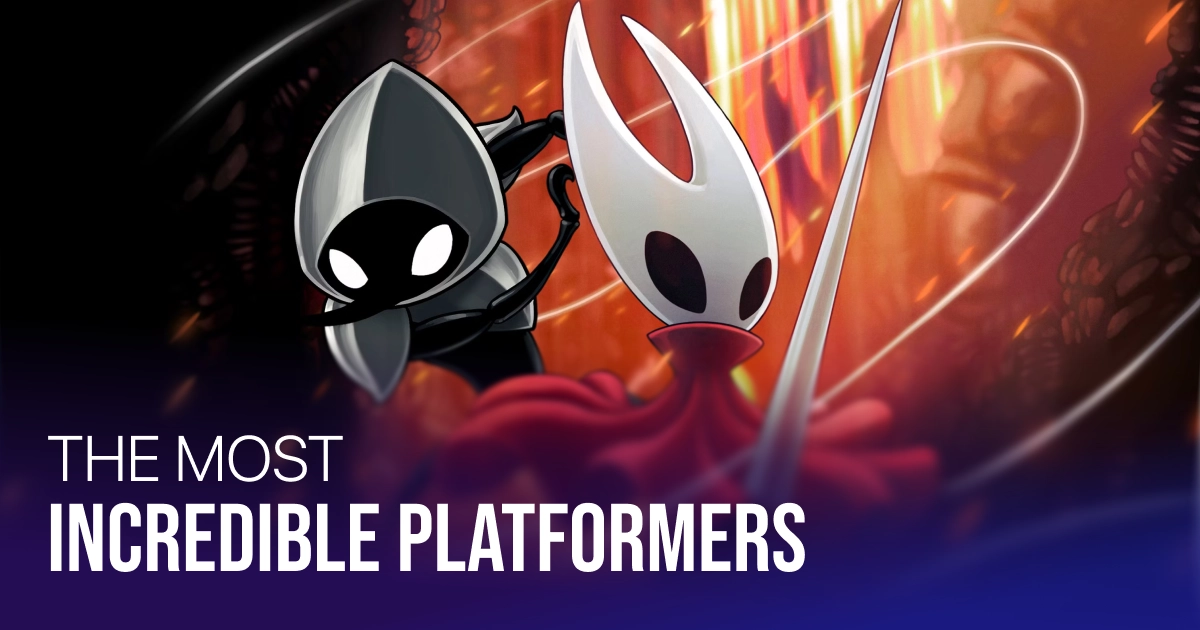
Hollow Knight: Silksong

Hollow Knight: Silksong is a grand adventure focused on exploration, dynamic combat, and platforming, where every new area can hide another danger or secret.
At the center of the story is Hornet, who finds herself in the mysterious kingdom of Pharloom. She must ascend from the deepest depths to the peak of this vast world, exploring diverse locations and confronting numerous enemies.
The game's main feature is the heroine's high mobility. Hornet moves swiftly through the environment, clings to surfaces, covers great distances, and uses acrobatic abilities during combat. As a result, platforming here constantly feels like part of the gameplay, not just a way to get to the next location.
Dead Cells
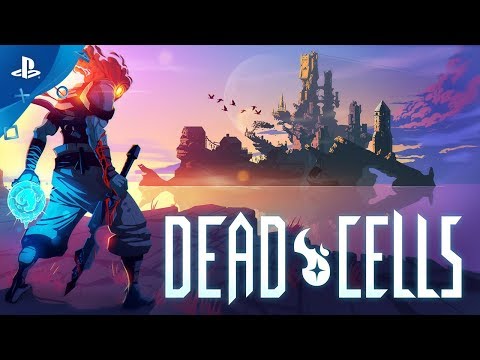
Dead Cells combines a platformer, Metroidvania, and roguelite mechanics.
Every new run forces you to adapt to the situation. Locations, enemies, and available gear are constantly changing, so familiar tactics don't always work.
But the main pleasure here comes from movement. The character moves rapidly through levels, leaps over obstacles, dodges attacks, and instantly switches between weapons and abilities.
Dead Cells perfectly demonstrates what a modern action-platformer can be when it focuses on speed and responsive controls.
Little Nightmares III

Little Nightmares III continues the dark formula of the series, where platforming, puzzles, and exploration are tightly interwoven.
Players embark on a new dangerous journey where practically every level hides traps, strange creatures, and unexpected obstacles. It's not enough to simply move forward here — you have to carefully study the environment and look for ways to use its features.
Interaction between characters plays an especially important role. Many situations require not only quick reflexes but also the correct use of each hero's abilities.
Blasphemous 2
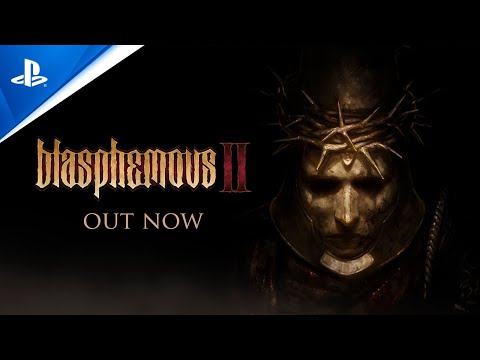
Blasphemous 2 expands on the ideas of the first game and makes platforming even more important.
The main character gains new abilities and tools that allow them to interact with the world in completely different ways. Some areas become accessible only after obtaining certain capabilities.
The combat system has also become more flexible: different weapon types offer their own playstyle.
As a result, Blasphemous 2 feels like a full-fledged evolution of the original formula — still dark, challenging, and atmospheric, but more varied in terms of exploration.
Cuphead

Cuphead looks as if an old cartoon suddenly turned into an extremely difficult game.
Its unique hand-drawn art style is one of the main reasons for the project's popularity. But behind the beautiful visuals lies very demanding action.
Most challenges revolve around boss battles, where you must memorize attack patterns, react quickly, and keep moving constantly.
Cuphead is a great reminder that a platformer doesn't have to be a huge adventure. Sometimes a few minutes of perfectly executing a single level can deliver far more emotion.
Rayman Legends

Rayman Legends is one of the brightest representatives of classic platforming.
Everything here is built around precise controls, jumping, traps, secrets, and constant forward motion. Levels regularly change pace and introduce new mechanics, so the game hardly ever gets boring.
The visual style deserves special mention. Bright locations, amusing characters, and a wealth of animations make each level feel like a little cartoon.
It's an excellent example of what a dynamic platformer without unnecessary complexity should be.
Child of Light

Child of Light is an unusual blend of RPG and platformer, executed in the style of a painted fairy tale.
The main heroine, Aurora, finds herself in the magical world of Lemuria, where she must explore various locations, find secrets, and fight enemies.
Platforming elements here are closely tied to exploration. The character travels between areas of the world, overcomes obstacles, and gradually gains new capabilities that open up previously inaccessible places.
The visual style deserves special attention. The game looks like a living watercolor illustration: castles, forests, caves, and other locations create a sense of a genuine fairy-tale journey.
Sonic Origins

Sonic Origins brings back several classic games featuring the famous blue hedgehog.
Sonic's main feature is speed. If in most platformers the player carefully calculates every jump, here you want to rev up and blaze through the level almost without stopping.
However, high speed simultaneously requires good reflexes. A mistake at high speed can instantly end a perfect run.
Sonic Origins is a great way to see what platforming was like in an era when the simple formula of "run, jump, and collect rings" could become the foundation for an entire gaming epoch.
Crash Bandicoot 4: It's About Time

Crash Bandicoot 4: It's About Time returns to classic 3D platforming but adds modern mechanics.
The player must navigate levels, leap across chasms, avoid traps, destroy crates, and constantly control the character's positioning.
Sections where the game demands perfectly calculating distance and timing become especially interesting. Crash may seem simple, but some levels quickly remind you just how brutal classic platforming can be.
At the same time, the game remains colorful, dynamic, and filled with humor.
Bionic Bay

Bionic Bay stands out among other games with its unusual mechanics for moving and interacting with the world.
Instead of simply jumping between platforms, the player constantly uses the world's features to progress forward. The level's space becomes part of the puzzle.
This makes each new area a small experiment: what happens if you use an ability here? Can you change an object's position? How do you get to a place that seems inaccessible at first?
Bionic Bay shows just how far modern platformers can stray from the classic formula.
Rain World

Rain World is a very unusual platformer where the surrounding world exists almost independently of the player.
The main character finds themself in a vast ecosystem populated by various creatures. Some can become prey, while others, on the contrary, turn into a threat.
The game doesn't always explain what to do next. The player must independently study the environment, memorize safe routes, and understand the behavior of other creatures.
Therefore, Rain World feels less like a traditional platformer and more like a genuine journey through a dangerous, living ecosystem.
INSIDE
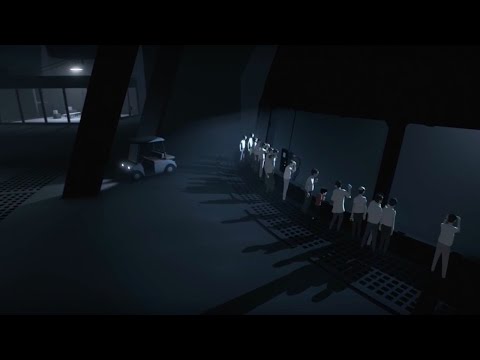
INSIDE builds on the ideas of LIMBO and focuses on exploration, puzzles, and storytelling through the environment.
The game almost never explains what's happening directly. The story unfolds through world details, character behavior, and events the player observes during the journey.
The platforming here doesn't constantly try to challenge your reflexes. Instead, it becomes part of the overall journey.
The dark atmosphere, unusual puzzles, and constant sense of the unknown make INSIDE one of the most memorable representatives of the genre.
Tails of Iron
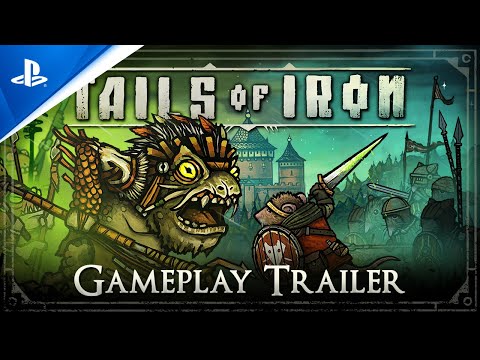
Tails of Iron combines platforming, exploration, and a rather unforgiving combat system.
The main character is a rat who must journey through a grim world, fighting dangerous foes and gradually improving their equipment.
The game places a strong emphasis on combat: you must study enemy attacks, dodge correctly, and choose the moment to counterattack.
As a result, Tails of Iron offers a somewhat different perspective on the genre — here, platforming becomes part of a grim adventure with a serious focus on battles.
Platformers Worth Trying
Platformers have no single formula. Hollow Knight and Blasphemous turn the genre into sprawling Metroidvanias, Rayman and Sonic focus on classic movement, Cuphead tests your reflexes in battles, and INSIDE uses platforming as part of an atmospheric adventure.
And games like Bionic Bay and Rain World show that familiar mechanics can be completely reimagined.
That's precisely why platformers remain one of the most diverse genres: sometimes for a great game, all you really need is a character, a few platforms — and an idea that makes the player take one more jump.