
There's a curious quirk of the gaming industry: the bigger the studio, the more resources it has, but that doesn't guarantee the game will be any good. Sometimes all it takes to create a project you'll want to sink hundreds of hours into is one person, a couple of friends, and an idea nobody was willing to give up on.
Of course, solo development doesn't mean the creator personally handles everything from programming to launching on every platform. Ports, localization, and support are often delegated to outside specialists. But there are projects where a small team genuinely shapes almost everything: the visual style, the music, the mechanics.
We've rounded up games made by independent developers and small teams. These are charming stories about making games in a garage. These are projects that proved team size doesn't always determine the scale of the result.
Stardew Valley
The Man Who Built an Entire Life in Pixels
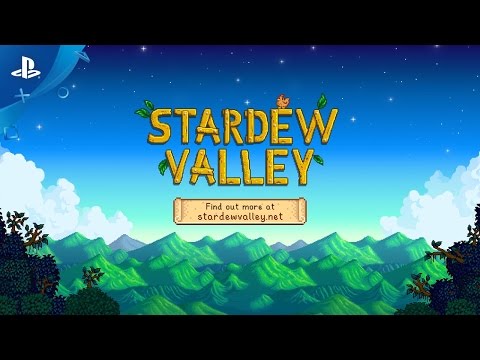
Eric Barone had a pretty specific idea: create his own version of the old farming RPGs he loved growing up. He ended up spending about four and a half years developing Stardew Valley, handling programming, art, music, sound effects, and design all by himself.
The result is a game where you can spend a few hours planting potatoes and then suddenly realize the sun is already coming up outside. There's no pressure to save the world every minute. You can grow crops, get to know the townsfolk, explore the mines, and gradually build up your own farm.
The most interesting thing about Stardew Valley isn't even the sheer number of activities. The game creates the feeling of a place where you genuinely have your own life. And it didn't need a massive budget, photorealistic graphics, or cinematic cutscenes to pull that off.
Today Barone continues to develop the project with a small team. But the foundation of Stardew Valley came from years of work by a single person.
Terraria
A Two-Dimensional World That Turned Out Bigger Than Many 3D Ones
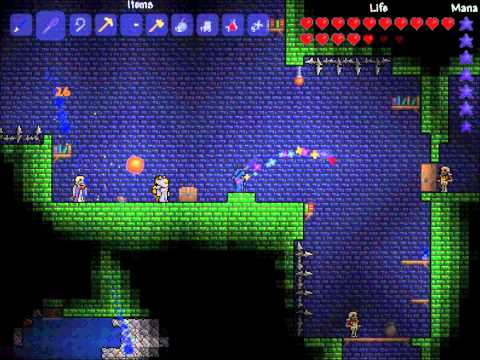
Terraria often gets described through the lens of Minecraft, and that's understandable: both games let you build, gather resources, and explore procedurally generated worlds. But that comparison sells the project a bit short. Terraria has long since become its own sandbox with its own pacing, progression system, and an impressive roster of bosses.
Its development story also started with a small team led by Andrew Spinks. Over time Re-Logic grew, and the team kept releasing updates and expanding the game. According to the studio itself, it now has 11 people.
Terraria is a great example of how a big project doesn't have to look complicated at first glance. A character, a pickaxe, a few trees, and a massive world stretching deep underground. Then the game gradually opens up: new biomes, unusual weapons, tough enemies, and entire stages of progression.
Terraria doesn't try to impress with expensive cinematics. It bets on player curiosity. And judging by how many people still return to this pixel world, that bet paid off.
Hollow Knight
Three Developers Against a Vast Underground Kingdom

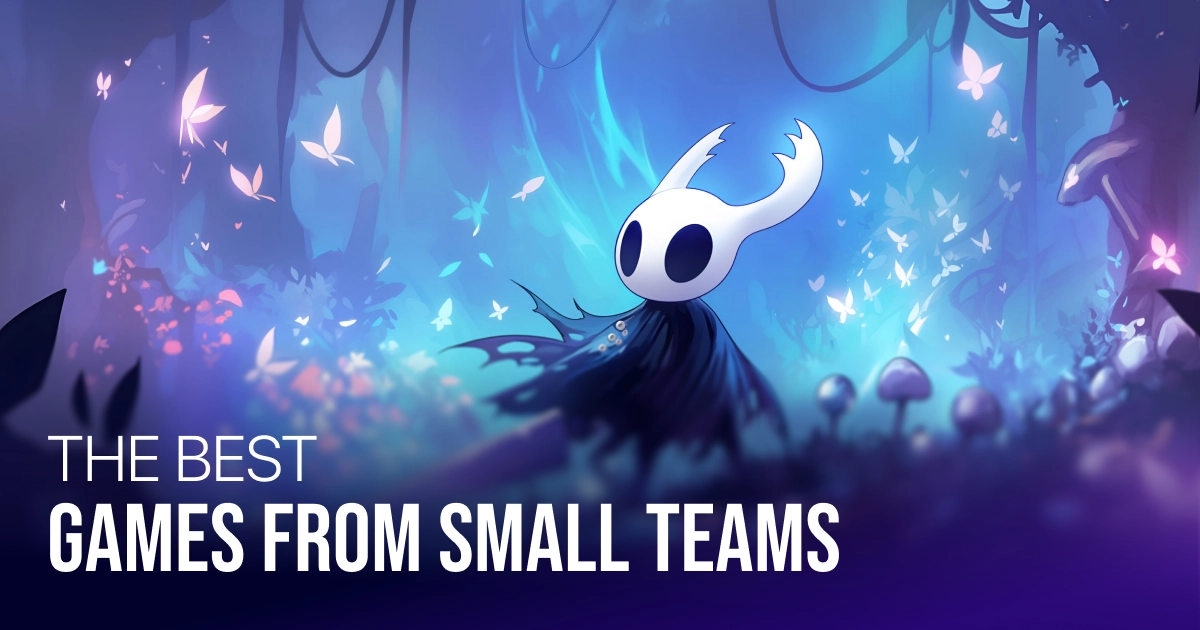
When you first step into Hallownest, it's hard to believe Hollow Knight started as a small project by an indie team. Team Cherry consisted of three core developers: Ari Gibson, William Pellen, and Jack Vine. The idea originally grew out of a game jam.
Instead of trying to build a huge game with everything at once, the developers focused on a few things: exploration, precise combat, expressive hand-drawn art, and a world that tells its story through details.
Nobody rushes to explain what happened to the kingdom. The player finds clues on their own, returns to familiar places, and gradually realizes just how much history this place had long before they arrived.
Hollow Knight works precisely because it doesn't feel like a compromise between limited resources and ambition. It feels complete. And that's far harder to achieve than simply stuffing a game with more content.
Human: Fall Flat
Physics That Regularly Humiliates Human Dignity
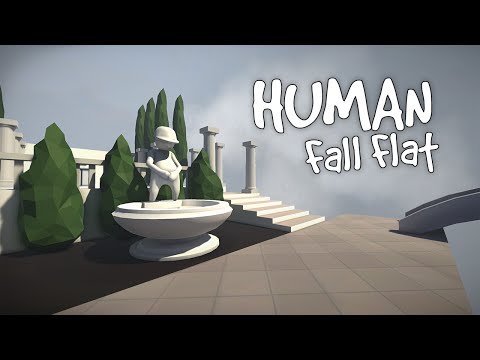
Some games need complex mechanics, carefully written scenarios, and dozens of hours of content to be fun. Then there's Human: Fall Flat, where sometimes all it takes is trying to pick up a box and watching your character turn a simple action into a circus act.
The original version of the project came from Tomas Sakalauskas, founder of No Brakes Games. The game is built around physics, puzzles, and clumsy characters who struggle with even basic everyday tasks.
But beneath the surface absurdity lies a perfectly solid idea. Levels encourage you to find your own solutions, interact with objects, and experiment. In co-op, all of this takes on a new dimension: even if you know what to do, there's no guarantee your team will actually pull it off.
Human: Fall Flat shows that an original mechanic can carry a popular game without a complex story or expensive production. Sometimes you just need to give people tools, physics, and the ability to get in each other's way.
DREDGE
Four People, One Boat, and Something in the Water

At first glance, DREDGE looks almost cozy. A small fishing boat, islands, selling your catch, upgrading your gear. It seems like a typical fishing sim where you can spend a relaxing evening.
But then night falls.
The water gets more dangerous, the catch takes on strange shapes, and things start happening in the fog that you're better off not trying to explain with logic. DREDGE gradually turns the familiar fishing loop into a story about curiosity, loneliness, and fear of the unknown.
The game comes from New Zealand studio Black Salt Games. At the time of development, its core team consisted of just four people.
In this case, the small team didn't try to compete with big studios on content volume. Instead, the developers focused on atmosphere, clear mechanics, and gradually revealing the world.
The result speaks for itself: ordinary fishing became the foundation for an adventure where you start dreading returning to port too late.
LIMBO
A Game That Barely Needs Words

LIMBO doesn't try to win you over with a long intro. A black screen, a boy's silhouette, a forest, and uncertainty. The game just starts telling its story without offering the usual explanations.
The project was created by Danish studio Playdead, founded by game designer Arnt Jensen. LIMBO was the studio's debut game and helped shape its signature approach to visual storytelling.
Almost everything here works to create a sense of dread. Monochrome graphics, silence, traps, and puzzles where a mistake can end quite brutally. At the same time, the game doesn't overload the experience with dialogue or text.
LIMBO proves that a small project can be memorable not because of how many mechanics it has, but because of how it makes you feel. Some scenes stick with you precisely because the game never fully explains them.
INSIDE
When the World Tells More Than the Characters
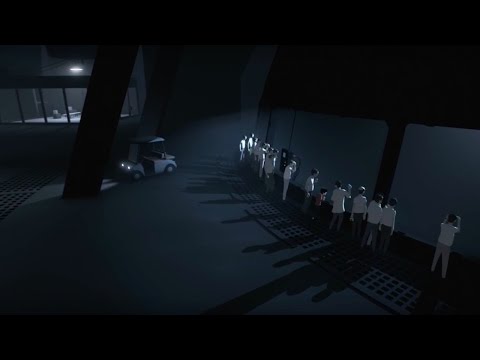
After LIMBO, Playdead released INSIDE, keeping the predecessor's greatest strength: the ability to tell a story through the surrounding world. But this time the visual direction got more complex, and the game's spaces became noticeably more varied.
You control a boy making his way through a grim world populated by people, machines, and creatures that raise more questions than answers. There are no convenient explanations here. Instead, environmental details, animation, and character behavior do the work.
INSIDE is interesting because almost every action carries a double meaning. From a gameplay perspective, you need to overcome an obstacle or solve a puzzle. From a story perspective, what's happening might hint at how the entire world works.
By the time INSIDE was made, Playdead was no longer a handful of enthusiasts at the start of their careers, but the game kept the approach that made LIMBO recognizable: come up with an expressive idea first, then make everything else serve it.
What Do These Games Have in Common?
Not graphics, not genre, and not even the number of developers. Stardew Valley lets you build your own life, Terraria rewards exploration, Hollow Knight pushes you to study an unfamiliar world, and DREDGE turns fishing into an unsettling adventure.
But these projects share one trait: they don't try to be everything at once. Each game has a specific idea that the developers consistently develop instead of endlessly expanding the feature list.
And that's probably the main lesson from small studios. Limited resources force you to choose what actually matters for the game. Sometimes that choice helps you cut the excess and focus on why the player launches the game in the first place.
Of course, a small team doesn't guarantee success on its own. Solo development or working with just a few people takes an enormous amount of time, and supporting a released game can be just as challenging as making it.
But Stardew Valley, Terraria, Hollow Knight, and the rest of the games on this list are a reminder: you don't need to assemble hundreds of specialists to make a good game. Sometimes a small team, a clear idea, and the determination to see it through are enough.