
A few years ago, booting up a game after work was a simple way to unwind. Today, some titles greet you with a full to-do list: claim rewards, complete daily quests, grind out a few battle pass levels, and don't forget the limited-time event. Missed a day? No big deal, except for that nagging feeling that you missed out on something.
Video games are gradually turning free time into a schedule. And the interesting part is that players often keep logging in even when they don't really feel like playing anymore.
Daily Quests: A Small Habit with Big Consequences
Daily quests aren't a problem on their own. They help you get familiar with a game, try out different mechanics, and earn extra rewards. For multiplayer titles, they're also a way to keep the community active.
Problems start when optional activities become a mandatory routine. Instead of asking "What do I want to play today?" you start asking "What do I need to get done so I don't miss anything?"
In Genshin Impact, regular activities and quests help you gradually develop characters and gather resources. In PUBG Mobile, quests and seasonal rewards keep you invested in matches. In Marvel Rivals, seasonal activities give you extra reasons to jump back into team battles.
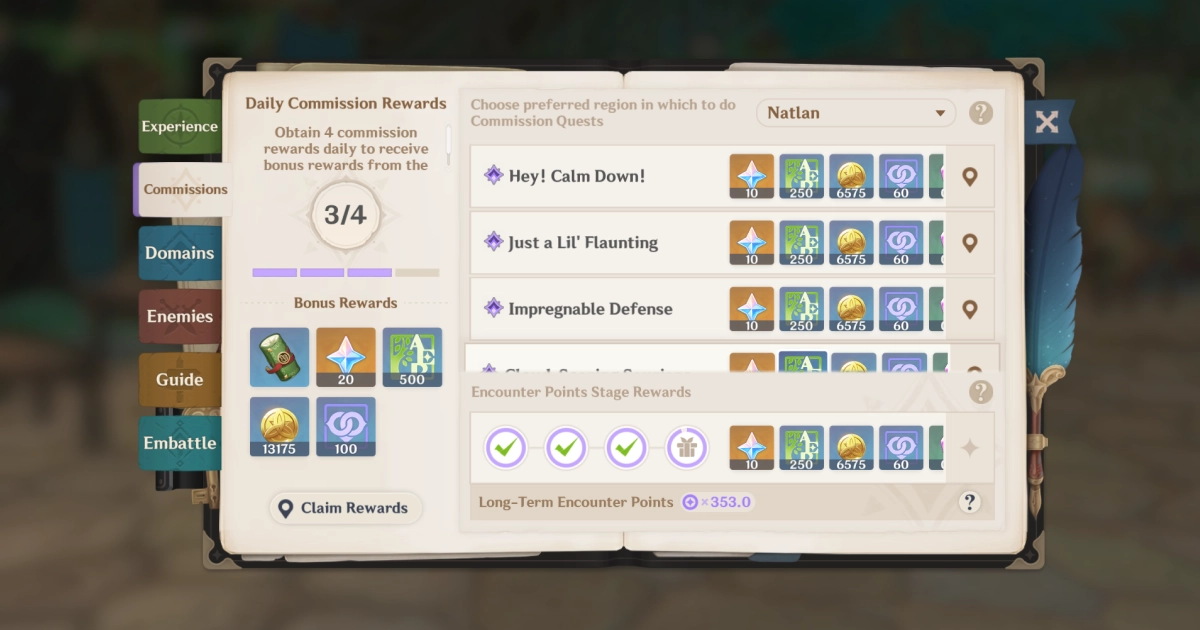
These systems have a clear goal: to make the gameplay loop long-lasting and reward consistent participation. But there's another side to that choice. Sometimes you launch a game not because you want to spend the evening with it, but because you don't want to miss out on another reward.
That's where things get interesting: the habit of playing quietly turns into an obligation.
FOMO: The Fear of Missing What Will Never Come Back
The gaming industry has a term for this: FOMO, or fear of missing out. It's the anxiety of missing something important while you're busy with other things.
In games, this mechanism is especially visible thanks to limited-time events, seasonal rewards, and items that are only available during a specific window. Players know the content won't necessarily wait for them to come back.
Picture a simple scenario. You have an evening you could spend on a new single-player game, a movie, or hanging out with friends. But a familiar online game's season is ending, and you're only a few levels away from the reward you want.
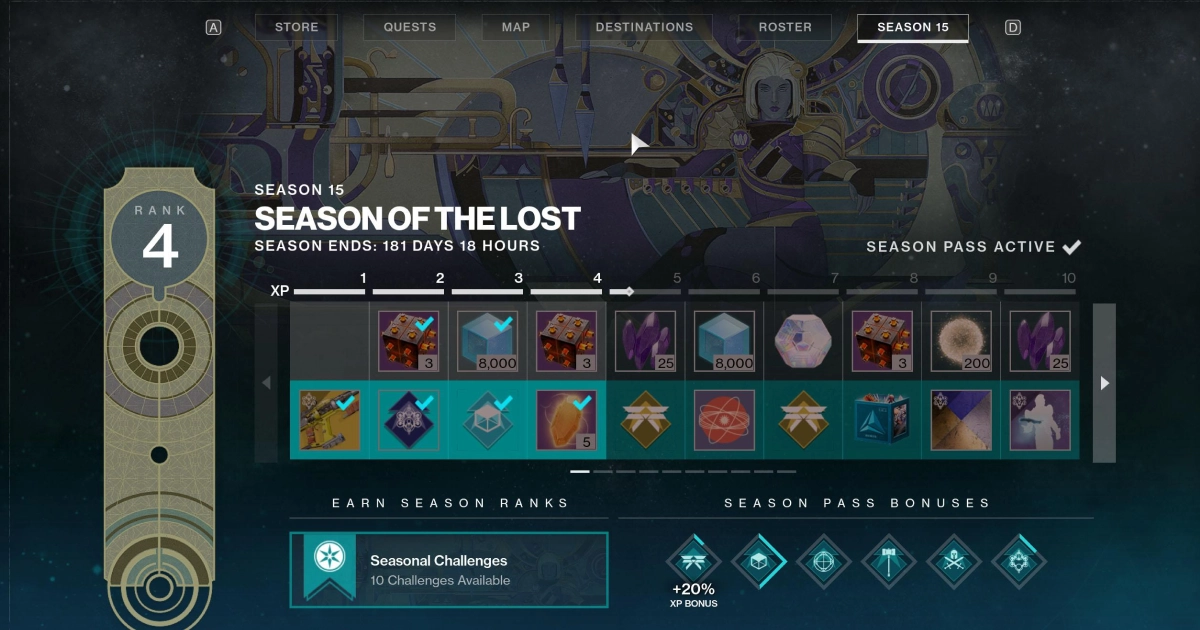
So you pick not the activity that sounds more fun, but the one that can't be postponed.
Of course, not every battle pass triggers anxiety, and not every limited item makes players rearrange their plans. For many, it's just extra motivation. The problem arises when the fear of missing a reward starts outweighing the enjoyment of the game itself.
It's a strange situation: a game offers freedom, but its reward system gradually restricts that freedom with its own schedule.
Battle Passes and the Endless Chase for Rewards
Battle passes have become a staple of many modern games. They let you earn cosmetic items, currency, and other rewards by completing quests or accumulating experience.
At first glance, it all seems fair: you play, you meet the requirements, you unlock new levels. The more active you are, the more you get.
But this system can change how you relate to the gameplay. A match stops being its own form of entertainment and becomes a means to reach the next goal. Even if a particular mode doesn't interest you today, you still pick it because that's where progress moves fastest.
At some point, you start evaluating your gaming evening not by the experience, but by the tasks completed.
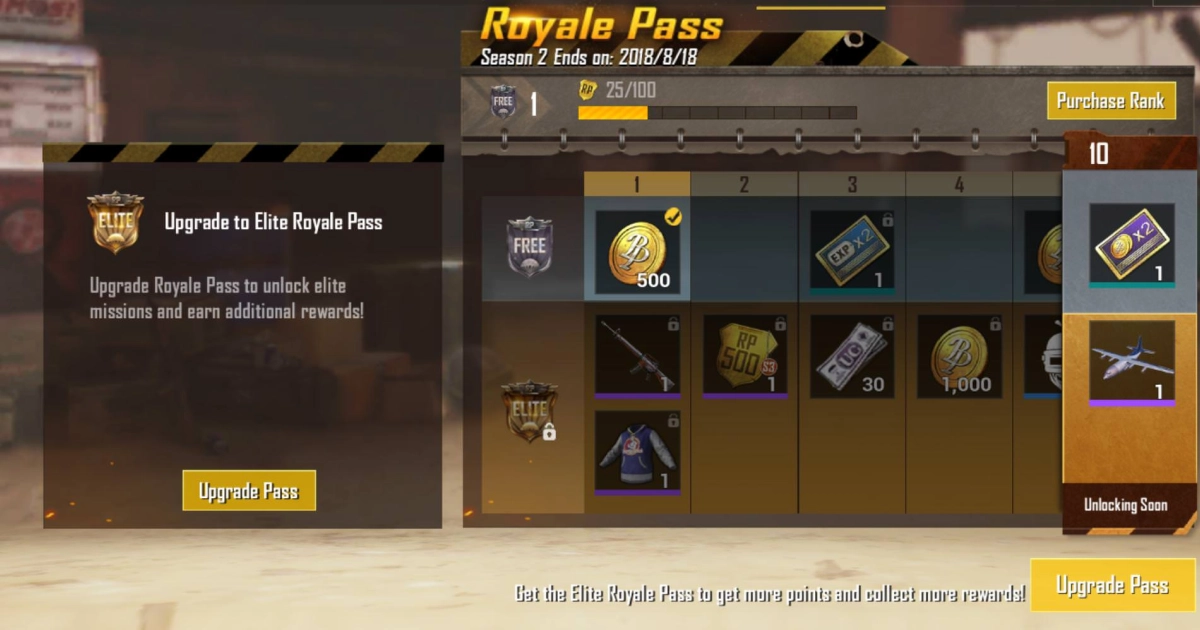
How many pass levels are unlocked? Are all the quests done? Is there enough time to get that reward before the season ends?
This doesn't mean battle passes are inherently bad. For some players, they add a pleasant sense of progression; for others, they become an extra burden. It all depends on how freely you can manage your time and how well the reward system is designed.
A good game mechanic motivates you to keep going. A bad combination of mechanics and restrictions makes you afraid to stop.
Why Developers Don't Want You to Leave
Long-term game support has a clear economic logic behind it. An online project needs an active community, regular updates, and reasons to come back after the initial experience.
But there are different ways to keep players interested.
One approach relies on constantly adding quests, events, and rewards. Another bets on quality updates, new gameplay features, and changes you genuinely want to try.
The difference isn't in the amount of content, but in what makes a person return.
If you launch a game because you're curious about what's changed, the system works for enjoyment. If you log in solely for a reward you'll lose once the event ends, the motivation becomes something else entirely.
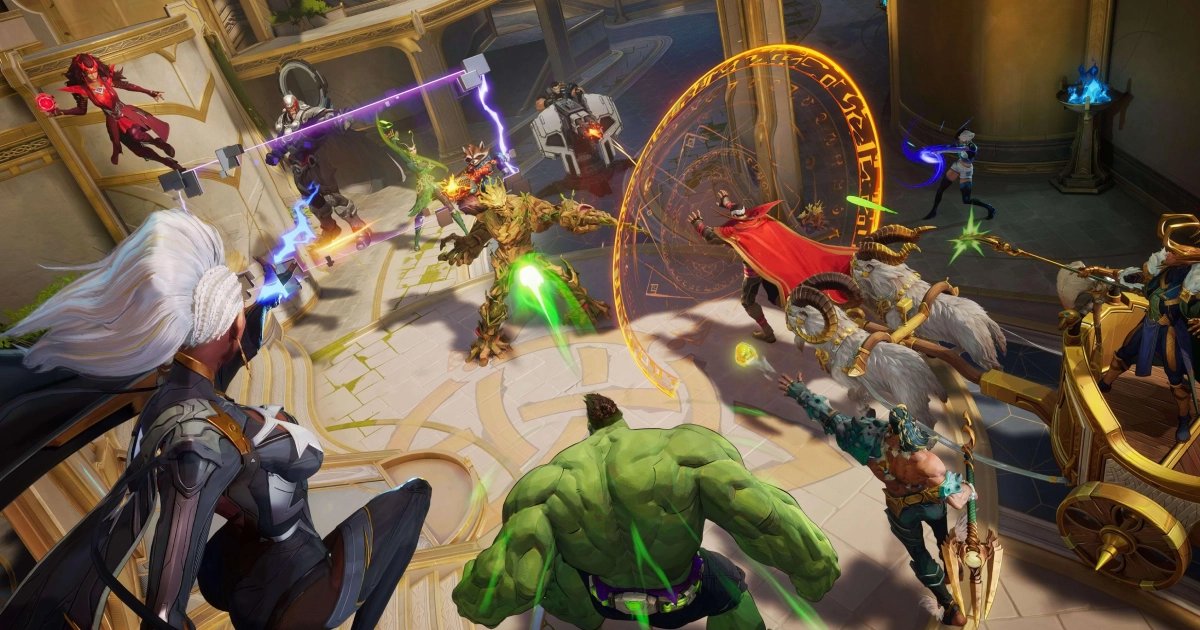
You can't lump all live-service games into one model, though. Some offer flexible progression, others let you catch up on missed content, and still others focus on competition, team play, or constant skill development. Regular activities can be useful as long as they don't crowd out the main reason to play.
Ultimately, developers need to do more than just bring players back. They need to give them a reason to stay.
Games That Aren't Afraid to Let You Go
On the other end of the spectrum are games that don't demand daily presence. They have a beginning, a middle, and an end, and you set the pace.
In these games, you don't need to check the calendar to grab a limited reward. You can binge them for several evenings, set them aside for a month, or come back a year later. The experience doesn't necessarily suffer for it.
This is especially true of story-driven adventures, single-player RPGs, and open-world exploration games. The motivation here is usually curiosity: what's beyond the next mountain, how does the story end, what secrets does this location hide.
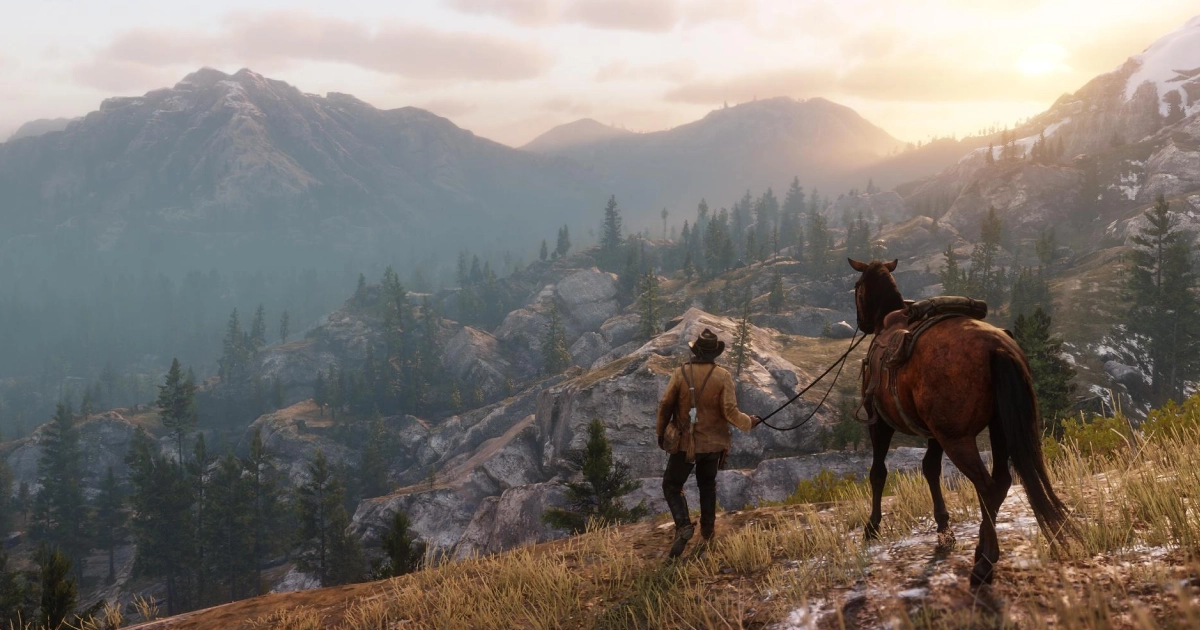
Sure, a long single-player game can also wear you down with grinding, repetitive quests, and artificially stretched progression. The absence of a seasonal pass doesn't guarantee respect for your time.
But a finished adventure has one big advantage: it lets you close the book. You can complete the story, see the ending, and move on to something else without a second thought.
A game doesn't have to hold onto you forever to leave a lasting impression.
How to Tell If You're Playing Out of Habit
Game fatigue doesn't always mean a game has become bad. Sometimes interest simply fades, and sometimes enjoyment gives way to routine.
Here are a few signs worth paying attention to:
-
You launch the game solely for the daily reward, even though the gameplay itself no longer brings you joy.
-
A missed event causes more frustration than the content you actually got brought you happiness.
-
You put off other activities because you're afraid you won't finish your quests in time.
-
Instead of picking a mode based on your mood, you pick the one that advances your progress fastest.
-
After a gaming session, the main feeling is relief from having checked off your to-do list.
None of these signs on their own means something is wrong with the game or with you. But if they become a pattern, try taking a break, turning off notifications, or temporarily skipping the quests that feel mandatory.
Sometimes all it takes is to stop chasing every reward to figure out whether you actually like the game.
Games Should Fill Your Time, Not Control It
There's no single correct length for a modern video game. Some players love endless competitive matches, others want hundreds of hours in a massive RPG, and some are happy with a short adventure that lasts a few evenings.
The problem isn't when a game demands a lot of time. It's when that time stops feeling like it was spent voluntarily.
Daily quests, battle passes, and seasonal events can make a game more engaging. But they shouldn't become the only reason you come back.
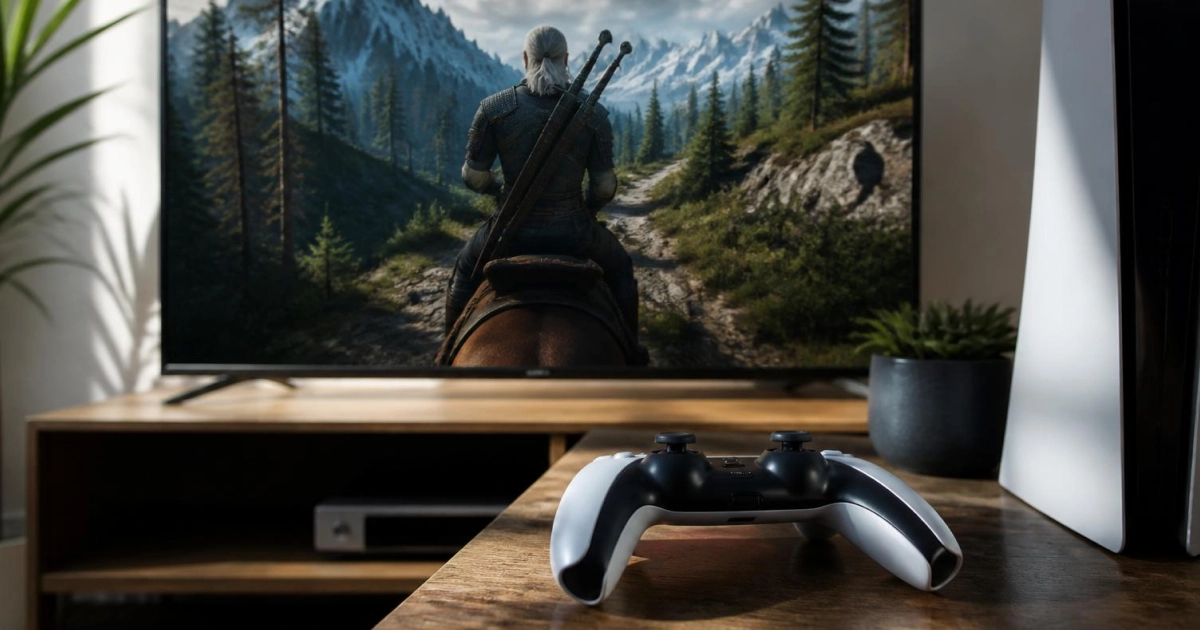
At the end of the day, video games exist so we can have new experiences, explore strange worlds, compete, experiment, and relax. Not so we can open another task list after a long day at work.
A good game makes you want to come back. But an even better one lets you walk away without feeling like you owe it something.