
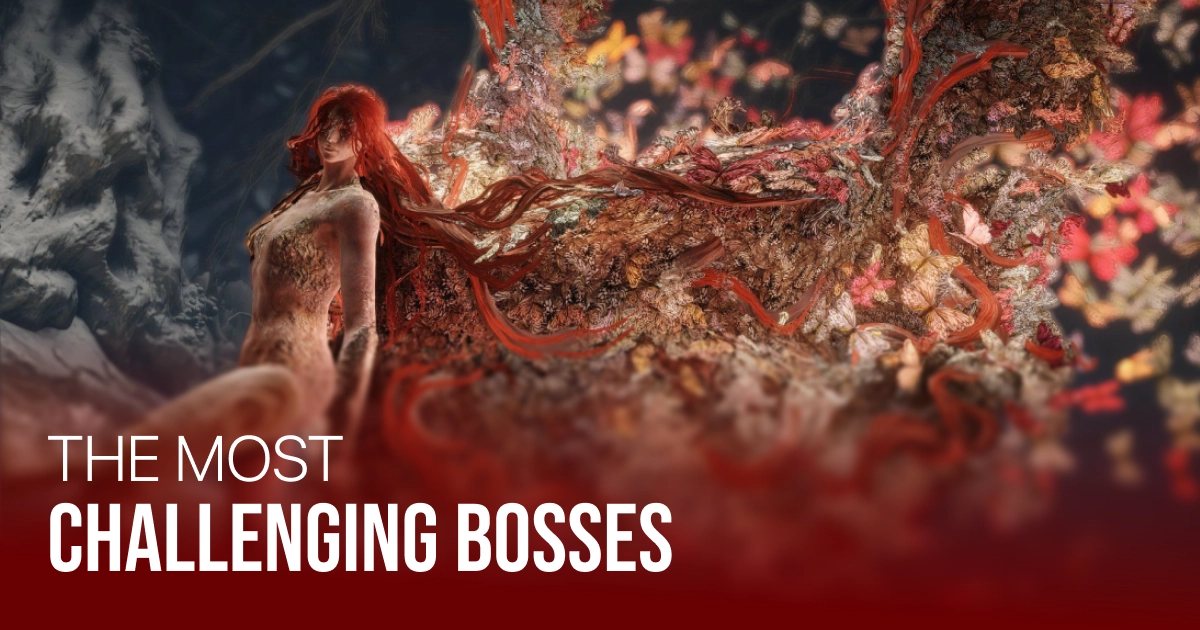
Introduction: The Unbeatable Encounter
You know the feeling. Your controller is slick with sweat, your back muscles are one giant knot, and you're staring at yet another loading screen after a failure. But instead of frustration, you feel a cold, almost predatory focus. You've studied the pattern. You've almost grasped the rhythm. One more try. That's what a true encounter looks like — not with a regular enemy, but with a force that intends to make a fool of you.
Bosses like these aren't just points on a map or content to be cleared. They are archetypes. They become a measure of personal progress, living legends whose names are whispered with awe and reverence. Remember the first time you told a friend about "that king who rides a dragon" or "that ballerina with the rotten leg"? These aren't just lines of code; they are characters with personality, with their own unique, cruel poetry of superiority.
Their difficulty is not a balance error. It's a carefully planned design gesture, an invitation to a duel. They force you not just to press buttons faster, but to think differently: to reconsider your gear, rethink your tactics, and sometimes even doubt your own skills. Defeating them grants not just an achievement or a new item, but something more — a feeling of absolute mastery that can't be bought or downloaded. It's a personal triumph, carved into the digital stone of your gaming experience. And it's precisely about such opponents, who have become icons of resistance, that we'll be talking.
Malenia, Blade of Miquella (Elden Ring)
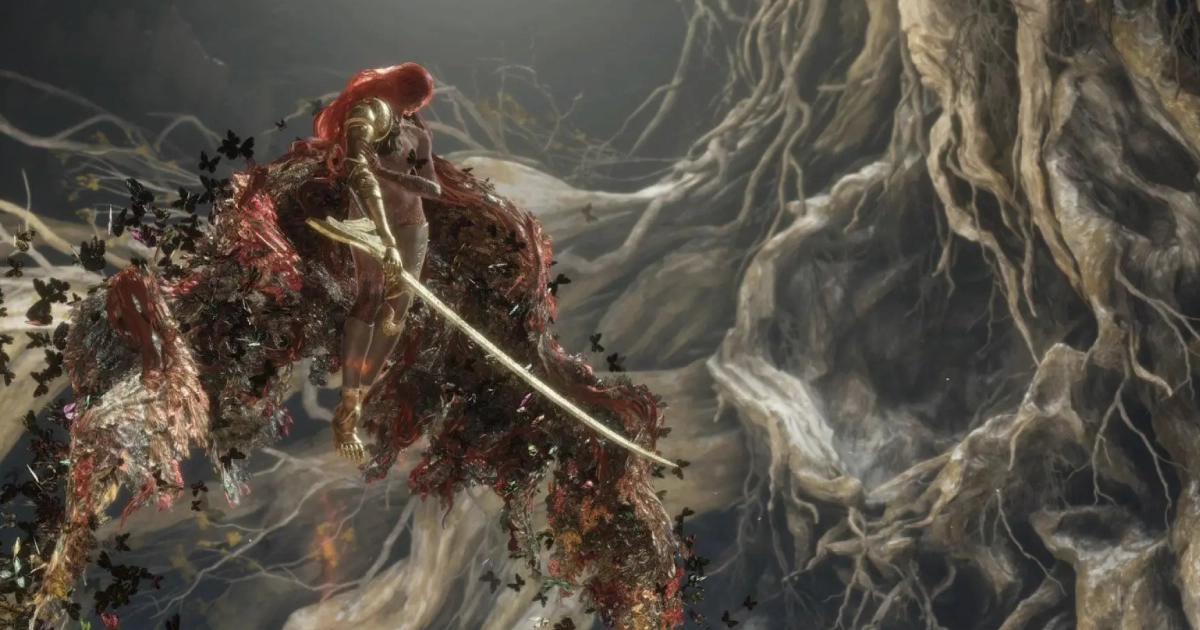
You stand frozen in the heart of Elphael, and the silence is shattered by the sound of her blade. Malenia appears before you calmly, almost serenely, but within seconds it becomes clear: this is no ordinary fight. Her first phase is a beautiful and deadly choreography. You learn to read her movements, dodge her swift lunges, find moments to attack, and pray that her next leap into the air doesn't end with the dreadfully familiar "Waterfowl Dance." And just when it seems you've finally caught the rhythm and her health is melting away, Malenia retreats. A brief silence falls. You already know what comes next — everyone who has fought her remembers this moment.
The second phase isn't just a new set of attacks. It's a true storm. Malenia blooms into the Scarlet Aeonia, becoming the Goddess of Rot, and her movements become even faster and more aggressive. She attacks with incredible speed, soars into the air, unleashes waves of rot, and rains down her deadly combos once more. The "Waterfowl Dance" here can still end your attempt in seconds, and the Scarlet Aeonia must not only be survived but its brief opening exploited. You gradually realize that simply dealing damage isn't enough here. You must read every movement, control the distance, and know when it's better to retreat. Victory over Malenia is not a triumph of brute force, but a moment of pure synchronicity, when you finally become part of her lethal dance, not its victim. After her, many other bosses truly start to seem much more predictable.
Nameless King (Dark Souls III)
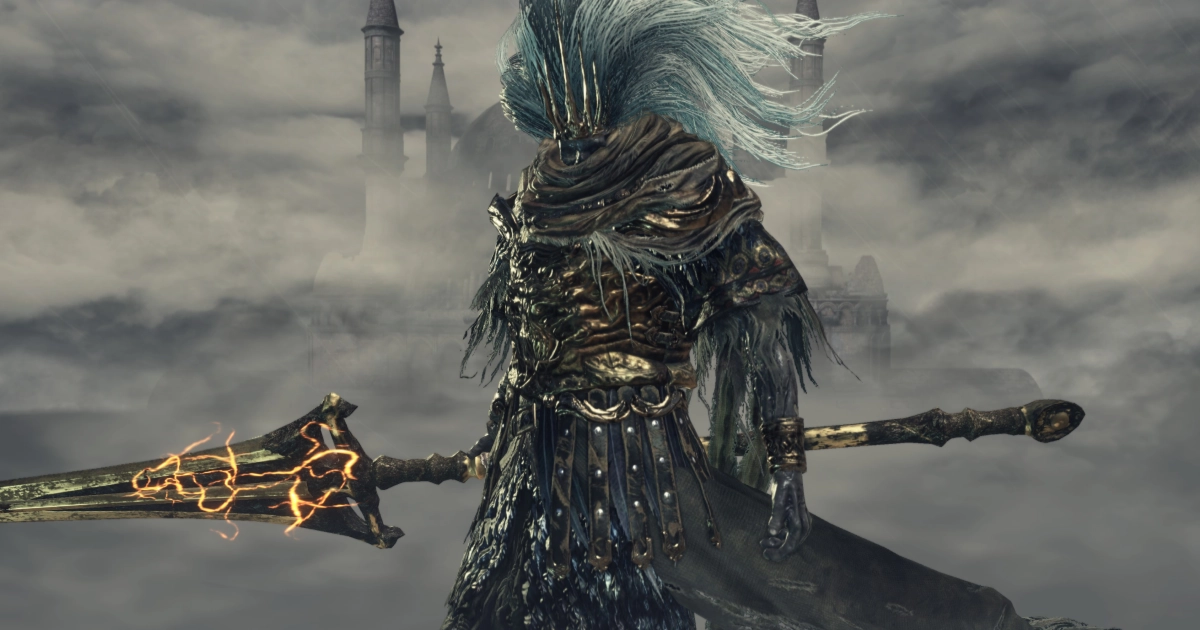
Meeting him is a pure test. Not of weapon strength or level, but of your patience and discipline. The first phase is utter chaos: you try to hit the head of the King of the Storm while the Nameless King rides around on his wyvern, hurling lightning at you, and the camera goes insane. It's preparation, psychological pressure that makes you nervous and wastes your Estus before the main event. And when the beast finally falls, the real dance begins. The Nameless King dismounts from his fallen companion's body, absorbs its power, and slowly raises his sword-spear. In that moment, you understand — this is going to hurt.
His attacks aren't just powerful; they are methodically calculated and deceptively delayed. He holds pauses, making you roll too early, then delivers the blow precisely when you're defenseless. This is a fight where you can't blindly rely on reflexes — you must learn to feel his rhythm and memorize the characteristic delays. Every swing of his weapon is a question you have only an instant to answer correctly. Dodge, wait, strike once, retreat. Any greed, any attempt to sneak in an extra hit is punished immediately and painfully. And when lightning and ranged attacks join his arsenal, the space around him becomes even more dangerous. This isn't just a boss; it's a simulator of perfect execution. Defeating him leaves a feeling comparable to graduating from a conservatory — you didn't just beat the game, you passed an exam on the game itself.
Erlang Shen (Black Myth: Wukong)
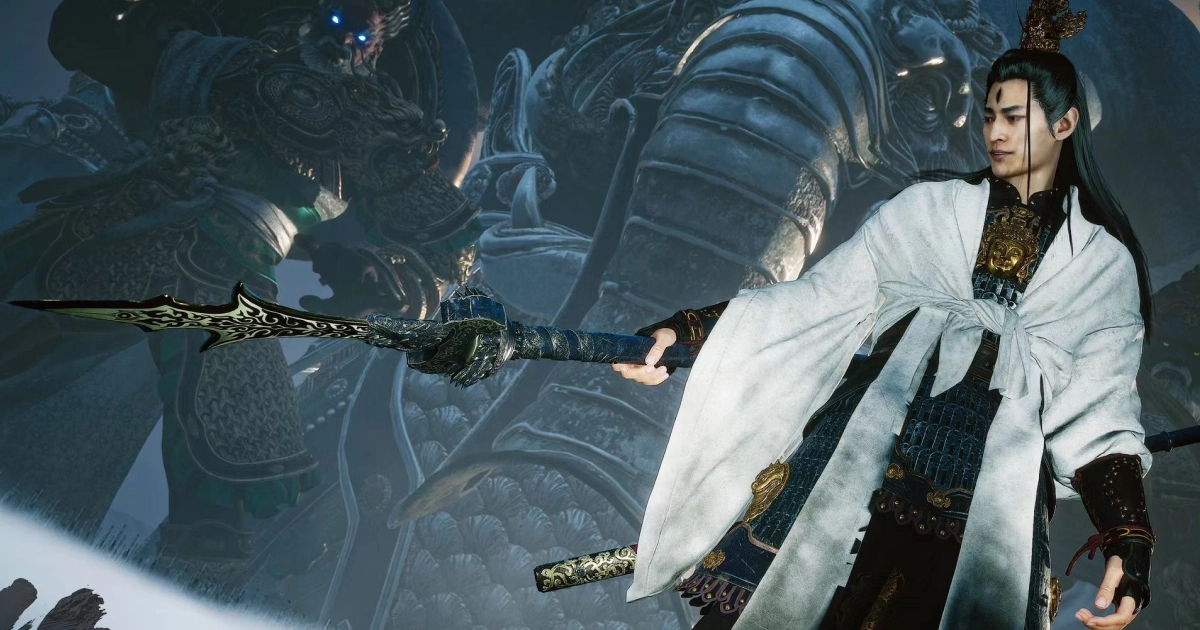
If there's one thing all the titans on this list have in common, it's the ability to shatter your expectations within the first seconds of the fight. Erlang Shen, the Heavenly God and one of the main antagonists of Black Myth: Wukong, does this with chilling elegance. You step onto the arena expecting the traditional dance of attacks and dodges, but instead you get an opponent who doesn't just want to defeat you — he constantly forces you to change your familiar playstyle. His signature mechanic is a sequence of incredibly diverse attacks: his third eye shoots beams, his spear transforms for long combos, lightning, fire attacks, and huge energy projectiles appear. This isn't just a visual effect. It's a constant shift in the rules of the game, where familiar windows for counterattacks vanish in a split second.
But the most insidious thing about him isn't even his size or damage. It's the feeling of absolute superiority he radiates. He doesn't rush around the arena in a frenzy; he acts methodically and coldly. Each of his attacks requires precise dodging, parrying, or the correct use of your abilities. And after the battle with the Four Heavenly Kings, Erlang Shen himself takes on a giant form and engages in a final clash with the Stone Monkey. To defeat him is not just to learn patterns, but to learn to instantly adapt to the constantly changing rhythm of the fight. This is one of those rare cases where after the fifth attempt, you're not screaming in rage, but quietly respecting your opponent. And after the tenth — you finally feel his equal.
The Devil (Cuphead)

You've fought your way through the hellish carnival of soul contracts, defeated a furious blimp, and out-danced a jester. And now you stand before him — the final chord of this cartoon nightmare. The Devil in Cuphead isn't just a boss. He's a surreal spectacle where each phase looks like a new act in Satan's own circus, and the difficulty reaches a level where you want to throw your controller out the window. Or, perhaps, finally learn.
The first phase is a true mad carnival: the Devil attacks with fireballs, jumps around the arena, turns into a giant spider, and rains down all sorts of traps on you. It seems like there's enough chaos already, until you reach the next part. The boss transforms into a huge head, and you have to navigate through a narrow space, attacking him while dodging his assaults. Survived? Welcome to the real test of reflexes. The arena shrinks to three platforms, giant poker chips start falling from above, and the Devil summons demons shooting skulls. And all of this happens simultaneously.
Then the final stage begins. Only one central platform remains, the Devil cries bloody tears, and poker chips continue to fall from above. The tears themselves can be parried, but there's almost no room for error. This is pure, undiluted chaos, requiring not just reaction time but the ability to read patterns in this insane visual flow. Defeating the Devil is like graduating from a conservatory after three years of playing a broken piano. You emerge from this battle not just with a trophy, but with the feeling that you've outplayed 1930s animation itself. And even if your hands are shaking from another attempt — the moment the contract tears and the final jazz theme plays is worth every single one.
Absolute Radiance (Hollow Knight)
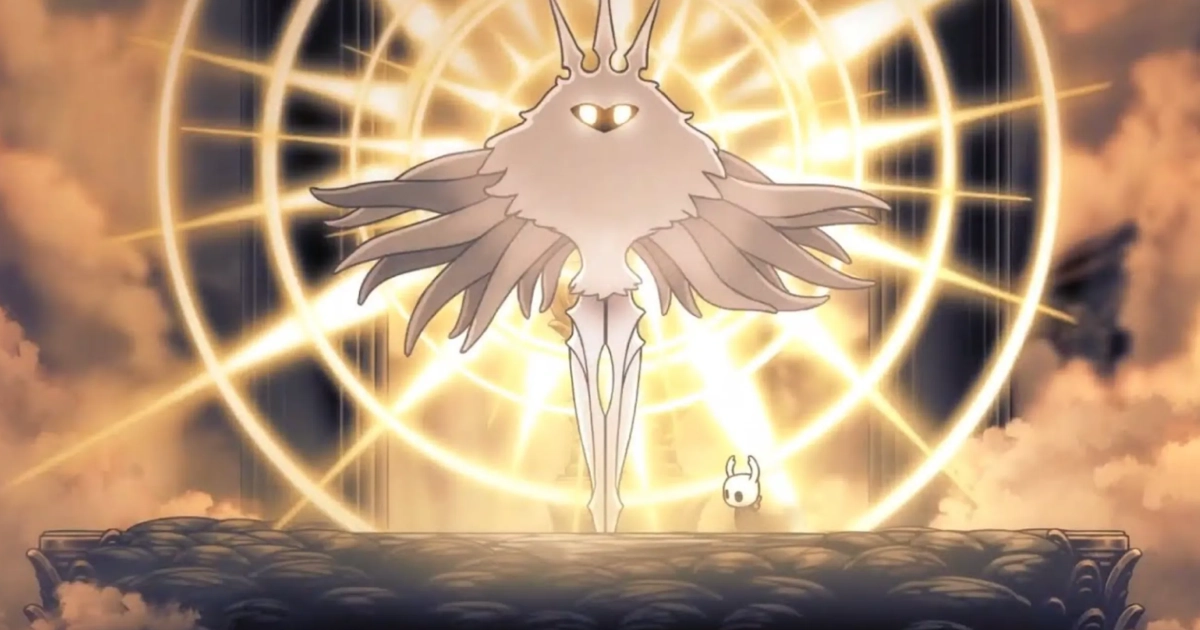
The entire philosophy of Hollow Knight, its leisurely exploration and almost serene atmosphere, shatters into pieces at this moment. You fight your way through the Pantheon of Hallownest — an endless gauntlet of battles with no room for error — and at the very top, she awaits you: Absolute Radiance. This isn't just a boss. It's the final exam for the right to call yourself a master of the game, where every previous victory was merely a warm-up. The fight begins in an empty white space, depriving you of familiar landmarks, and almost immediately turns into a pure test of reaction: light beams, swords flying from all directions, walls of blades, and homing spheres give you not a second of peace.
But with each phase, it only gets worse. Spikes appear, safe space shrinks, and then the arena turns into a chain of tiny platforms over an abyss. Here, it's not enough to just dodge well — you must simultaneously watch for attacks, control your position, and understand where the next safe spot will be. And then the final ascent begins: you jump higher and higher while Absolute Radiance bombards you with powerful beams. The last phase becomes a desperate race where falling means returning to the very beginning of the entire battle. There's no room for improvisation here, only muscle memory honed by dozens, sometimes hundreds of attempts. You stop thinking — you just react. And in that moment, you understand that the game has reduced your dialogue with it to its very essence: a pure, almost meditative confrontation. Victory over Absolute Radiance isn't just an achievement; it's the feeling that you've passed through the most intense crucible Hallownest could conceive.
Yang (Sifu)
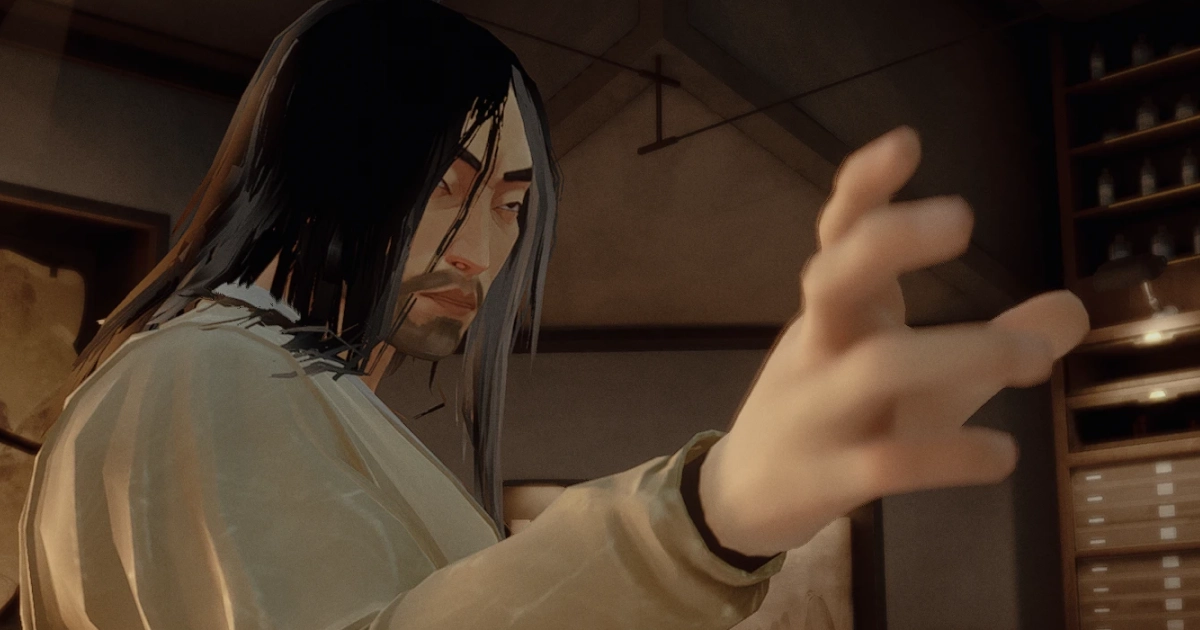
This fight begins with silence. You ascend to the peak of the sanctuary, where you are awaited not by a raging monster, but by an old man in white. Yang — your former master and the man who once taught you martial arts. This duel is stripped of all excess: there are no flashy special effects, only pure kung-fu combat, one on one. What makes it one of the hardest finales? Yang doesn't let you use the familiar tricks you've relied on to break other opponents. He parries your best combos, punishes the slightest greed, and forces you to forget many of the patterns learned over dozens of previous deaths.
Each of his counterattacks is a lesson. You can't just spam attacks; you need to read his movements, adapt to his rhythm, and choose between a perfect parry and a timely dodge. Yang constantly changes distance, alternates fast strike series with delays, and forces you to provoke his attacks yourself. This is a battle of attrition, where the one who loses concentration first loses. And just when you think you've finally found his weakness, the second phase begins: Yang becomes more aggressive, the space narrows, and his arsenal gains new devastating moves and counters.
Victory over him isn't just beating the game. It's the moment you physically feel how you've become better, how your hands themselves remember the right moment to dodge or parry. You've overcome not just a boss, but the very idea of mastery. And in this catharsis lies the genius of Sifu. Yang doesn't let you defeat him the old way; he forces you to evolve.
Eviterno (Blasphemous 2)
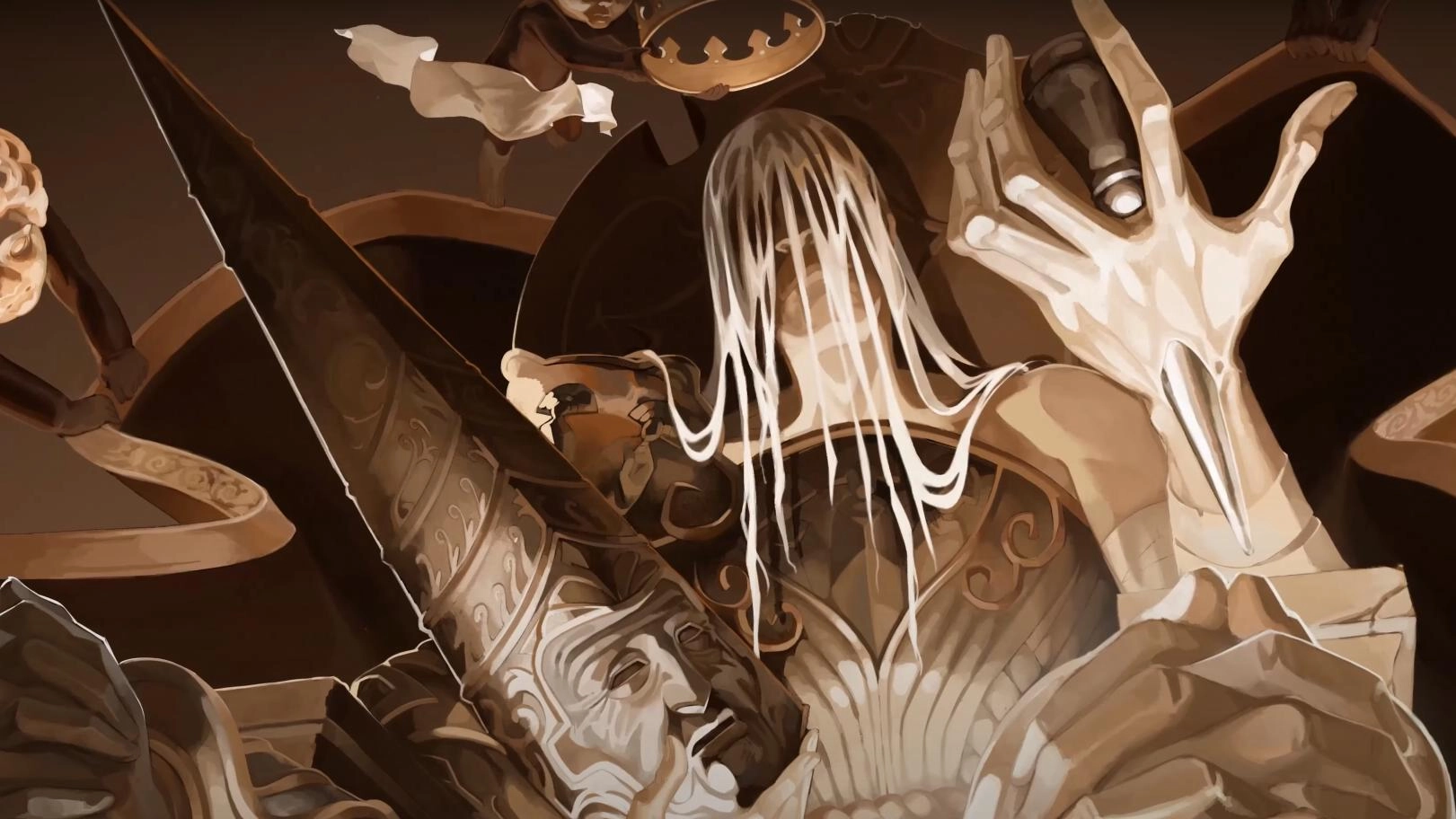
You slowly ascend the spiral of this cursed tower, and with each step, the Gregorian chant ringing in your ears grows more ominous. The final obstacle on the path to the throne is not a proud knight or an ancient monster, but Eviterno, the First of the Penitents. And he clearly has no intention of letting you pass. The first phase begins as a strange dance: Eviterno teleports around the arena, hurls magical projectiles at you, summons scarlet lightning, and charges a giant fireball. You think: "Well, the finale of Blasphemous 2 isn't as scary as I feared." That was your fatal mistake.
Because when Eviterno's first health bar disappears, he doesn't fall or concede defeat. Instead, he draws Crisanta's scarlet sword from her body — and the fight turns into a completely different story. Now you face a swift swordsman capable of teleporting, unleashing long combos, creating pillars of fire, and raining down giant scarlet slashes across the arena. Mistakes are punished instantly here, and familiar attack windows grow shorter. But the most terrifying part comes next. Eviterno plunges the sword into the ground and summons the power of the entire Archconfraternity: one by one, Orospina, Lesmes, Infanta, Benedicta, and Odón appear on the arena, each with their own attack, after which Eviterno himself finishes the combo with a crushing blow. This is no longer a standard boss fight, but a test of everything the game has taught you throughout your playthrough. Victory over Eviterno is a true exam of reaction, memory, and the ability to stay calm when the entire arena literally turns to chaos.
The Burst (Furi)
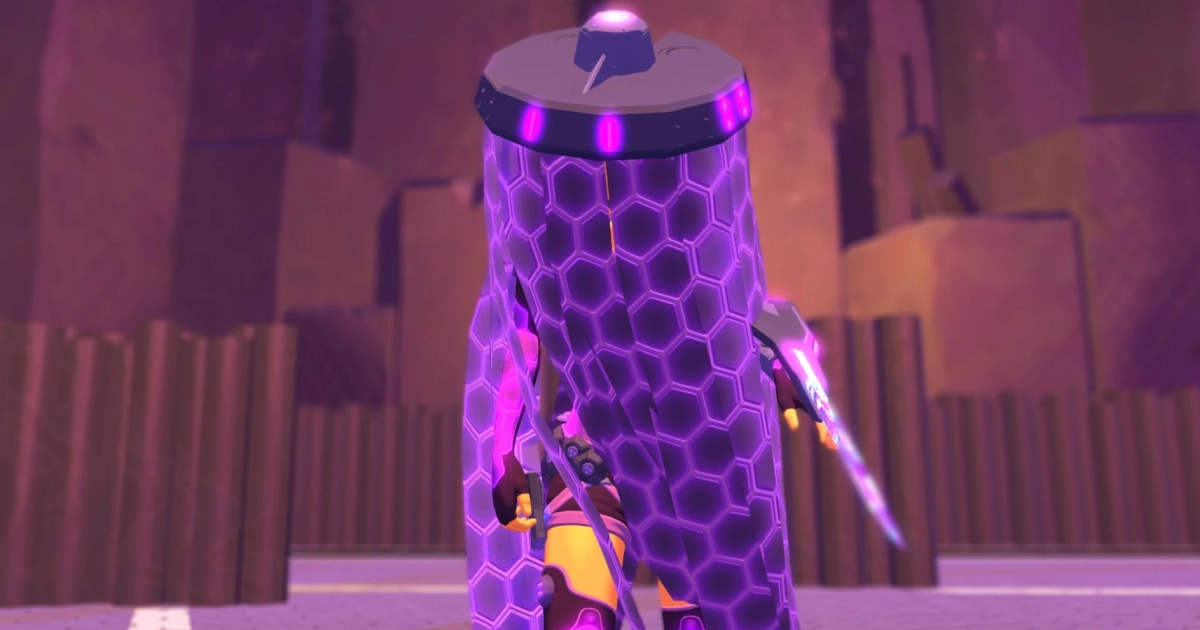
Furi is a trial by combat where each boss forces you to completely change your usual tactics. The Burst stands out among them: instead of a standard duel, you face a sniper who prefers to attack from a great distance. At the start of the fight, The Burst hides on a large arena, and you have to find her position while simultaneously watching for the laser sight of her rifle. One precise shot can end your attempt, so you must use cover, keep moving, and look for an opening to attack. Drones and mines add extra danger, preventing you from focusing solely on the boss. Later, the fight becomes even more intense. The Burst uses energy projectiles and other attacks, and in some phases becomes invisible. The player must react quickly, memorize patterns, and constantly change position. Defeating The Burst isn't just a test of combat skills; it's a trial of reaction, attentiveness, and composure. It's this unusual duel mechanic that makes this fight one of the most memorable in Furi.
CEL 240 (ARMORED CORE VI: FIRES OF RUBICON)
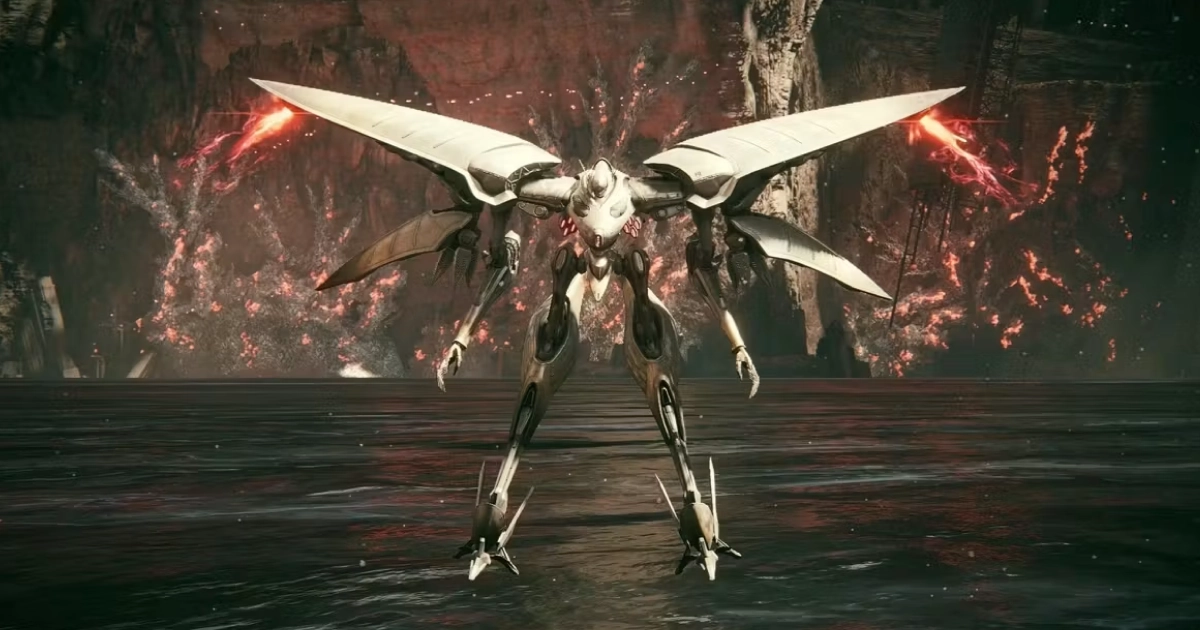
You reach the battlefield and are greeted not by a mere boss, but by a natural disaster in the shape of a machine. CEL 240, a representative of the Ibis series, isn't an ordinary duel; it's an exam for the right to be called a true pilot. The problem isn't so much its health, but the pace of the fight. It gives you no respite: swift dashes are followed by laser blades, coral attacks, and sudden aerial assaults, forcing you to constantly track every movement. And in the second phase, when CEL 240 unfurls its energy wings and attacks even more aggressively, the battle turns into a true nightmare of reflexes. You can't just stand still and fire all your guns — every move must be deliberate. You need to anticipate attacks, dodge in time, find windows for counterattacks, and, most importantly, not give in to panic. Victory over CEL 240 is the purest moment of catharsis, when you finally understand that you've started to feel your Armored Core on an instinctual level. It squeezes everything out of you, and the final explosion of this insane machine feels like a true initiation into the elite.
Vergil (Devil May Cry 5)
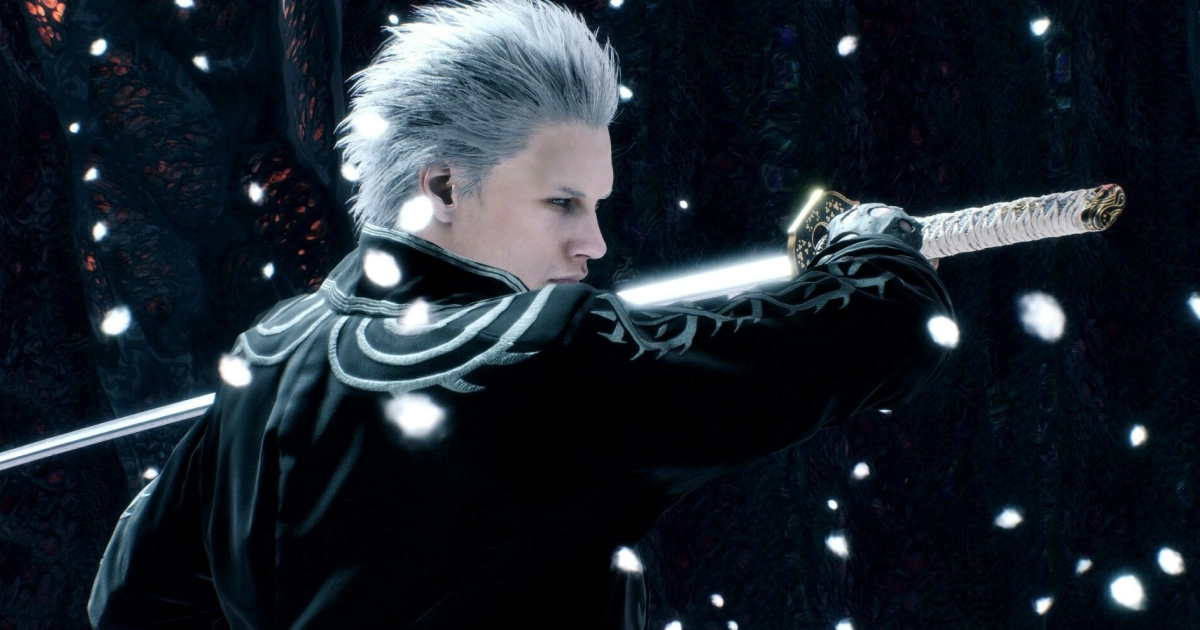
You may know everything about Dante's jumps, counters, and moves, understand when to activate Devil Trigger, and perfectly gauge distance. But all of that turns out to be mere preparation for the encounter with Vergil. His fight isn't just the final challenge. It's a mirror in which the game tests how well you've truly mastered its combat system. You spent dozens of hours making Dante and Nero feel like extensions of your hands, and now the game demands you use that accumulated skill at its peak. Vergil doesn't just attack — he engages in a true duel. Every one of his lunges, teleports, and Judgement Cuts is a question. And you must answer it not with a single dodge button, but with perfectly orchestrated aggression, reaction, and audacity.
The difficulty here is of a special kind. It's not in a huge health pool or random attacks, but in the precision of the fight itself. Most of Vergil's moves are readable but require lightning-fast reactions. Constantly turtling in defense isn't enough here. To truly dominate, you must maintain the pace yourself, find windows for counterattacks, and utilize the full potential of your combat system. This is the peak of game design, where you're tested not on endurance, but on understanding. And when, after dozens of attempts, Vergil finally falls, that feeling of triumph emerges. You didn't just defeat a boss. You passed an exam set by the game itself — and proved you truly learned how to play it.
Conclusion: Winners for Life
Looking back at this gallery of great torments, it becomes clear — we didn't just defeat them. We studied them. Every death on the path to the Nameless King, every dozen attempts spent on Absolute Radiance — that's not just lost time. It's a fine-tuning of your own perception, reaction, and patience. These bosses become our personal trainers in humility and perseverance, and therein lies their greatest gift.
That's precisely why their fame outlives sales charts and new console generations. They turn into a universal cultural code for gamers. The phrase "I beat Malenia" or "I beat Vergil on Dante Must Die" tells your interlocutor much more than just the fact of completing a game. It speaks of hundreds of repetitions, broken controllers, and the moment of catharsis when muscle memory finally kicks in and everything works out. It's a shared experience that erases boundaries between platforms and genres.
Ultimately, the strength of these virtual titans is measured not by the numbers of their health or damage, but by the imprint they leave in memory. They teach us that true victory isn't just pressing a button at the right moment, but changing yourself to one day be stronger than the trial that seemed insurmountable. And in that sense, everyone who emerged victorious from these clashes is already a champion. Just look at the comments under any guide for these bosses — and you'll see a whole community of such champions, who still recall their hardest and sweetest battle with awe and pride.