
What Makes a Game Hard?
You click the load button, full of determination. An hour later, you're watching your character's death animation for the tenth time, and your finger is already hovering over Alt+F4. What went wrong? The concept of difficulty in games has long ceased to be just a matter of a boss's hit points. It's architecture, philosophy, and sometimes cunning psychology. True difficulty is not a wall you need to bash your head against, but a labyrinth where every dead end teaches you something new about its design and about yourself. It's built from several key bricks.
The first is ruthless but fair mechanics. The game establishes ironclad rules (an attack deals this much damage, an enemy reacts like so) and never deviates from them. Your death is almost always your mistake, not blind chance or a cheap trick. The second brick is the need to learn, not just memorize. You can overcome an obstacle only by understanding its nature: by studying a boss's attack patterns, a platform's mechanics, or an enemy's weakness. The third is the cost of failure. Losing half an hour of progress, all collected resources, or even the chance to see a specific ending — that's what forces your brain into hyperfocus mode. And finally, there's constant pressure that wears you down mentally: the perpetual ammo shortage in Returnal, the encroaching cold in Frostpunk, the ecosystem living by its own laws in Rain World. This isn't just difficulty of action; it's the difficulty of making decisions under conditions where there is no right answer, only a choice between bad and catastrophic. It's this combination that turns a merely hard game into a legendary trial you want to complete, even when it seems impossible.
The List of Great Trials
These aren't just hardcore titles; they're entire philosophies of difficulty. Each one tests the player's mettle in its own way, turning every victory into a personal triumph.
Dark Souls Remastered

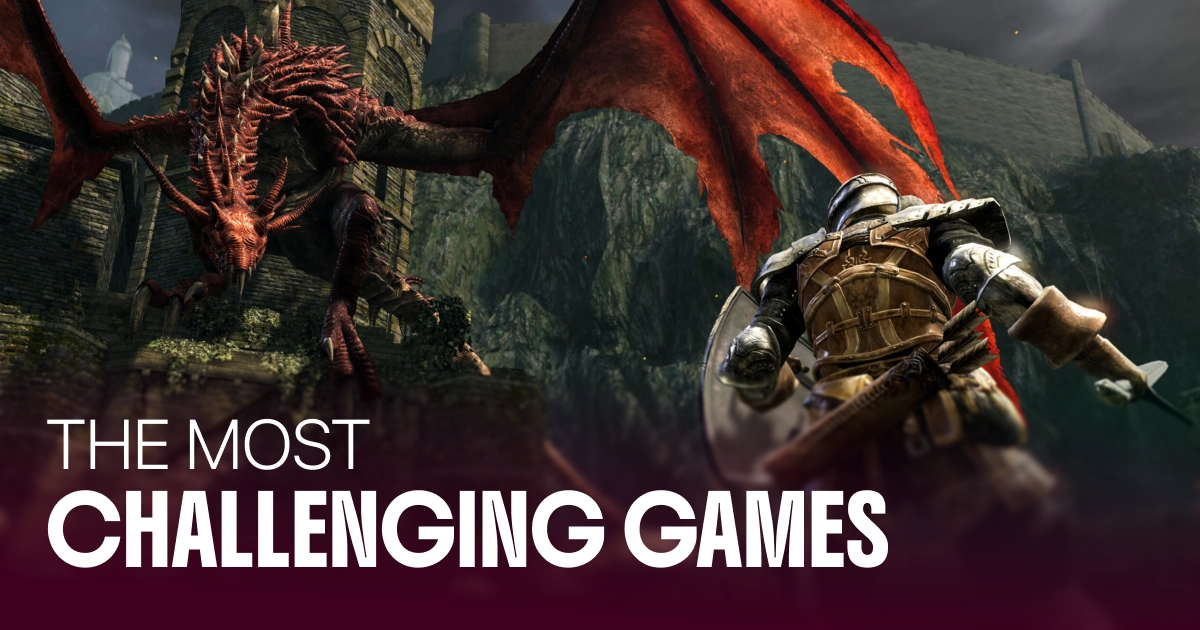
Dark Souls Remastered — the gold standard. Its difficulty lies not in dumb cruelty, but in impeccably precise level and enemy design. The legendary archers of Anor Londo, the traps of Sen's Fortress, the first Black Knight you meet in the Undead Burg — all of it teaches you to read your environment, not mindlessly swing a sword. Here, death is not a punishment, but part of the learning process.
Elden Ring

Elden Ring — the same "learn, die, try again" philosophy, but in an open world. Difficulty here gains a new dimension: freedom. You can stumble upon the Sleeping Dragon right at the start, or spend an hour on a boss you could have bypassed, only to return 20 levels later and crush them in two seconds. This tests not just your reflexes, but your patience and ability to explore.
Sifu

Sifu — an exam in rhythm and memory. Its aging system is a brilliant metaphor: every failure brings you closer to death, but also makes you more experienced. To clear a level in your early 20s, you need to learn every opponent's attacks like a dance. The final fight with Yang is pure meditation, where one mistake in a parry chain sends you right back to the beginning.
Cuphead

Cuphead — difficulty in the style of the jazz age. Every boss encounter is a six-minute perfectionist platformer-shooter where you must memorize a complex attack pattern and react in split seconds. The gorgeous animation merely sweetens the pill of endless retries.
Returnal
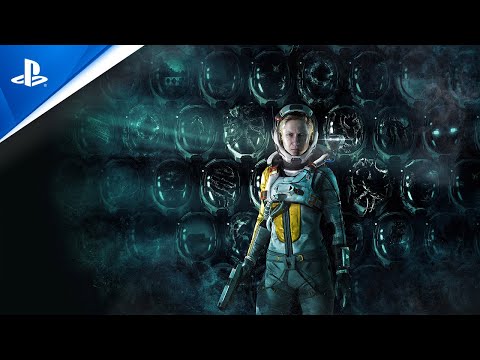
Returnal — a roguelike where you die for real. High-speed third-person action combines with the ruthless randomness of loot. One bad combination of artifacts can turn a run into hell, and losing all progress upon death makes you value every cycle you survive.
NINJA GAIDEN: Master Collection

NINJA GAIDEN: Master Collection — a lesson in humility. Even the re-releases of Team Ninja's cult classics will make you feel like a helpless rookie. Enemies here are aggressive, smart, and attack in groups, demanding flawless mastery of Ryu Hayabusa's entire arsenal. It's not about surviving; it's about looking lethally stylish while doing it.
Dead Cells
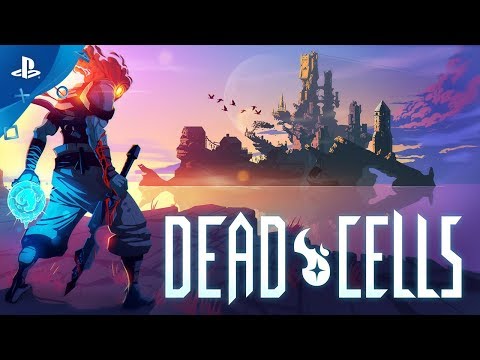
Dead Cells — treacherous friendliness. The controls are silky smooth, progress is constant, but each new boss or biome shatters the strategies you've built. This is a game that whispers in your ear, "You've gotten better," and then immediately punches you in the gut on the next level of brutality (BC).
Rain World
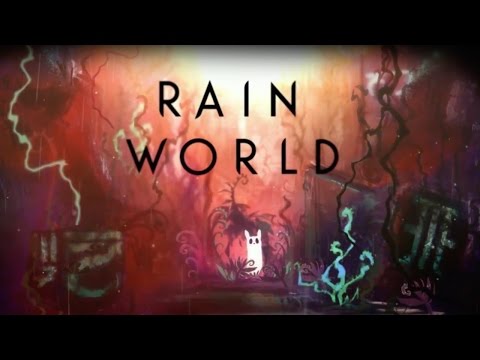
Rain World — you are not a warrior, but a fragile creature in the food chain. The difficulty here is ecosystemic, not combat-based. You need to study predator behaviors, memorize routes, and accept that the world lives by its own laws, utterly unconcerned with your survival. It's a challenge to your patience and adaptability.
Battle Brothers

Battle Brothers — tactical ruthlessness. Your mercenary company is expendable. One ill-fated contract against goblin ambushers or orc berserkers can lead to the death of veterans you've nurtured for dozens of hours. The difficulty lies in making decisions with irreversible consequences.
Frostpunk

Frostpunk — the moral limit. You don't manage a squad, but the last city of humanity on a freezing Earth. The cold is your main enemy, and the difficulty lies in ethical choices. Institute child labor? Allow cannibalism? Embrace dictatorship for survival? The game tests not your reaction time, but your willingness to make a deal with your conscience.
Why Do We Keep Coming Back to Hard Games?
Here's the paradox: we curse at the screen, throw the controller, swear we'll never launch this torture again. And an hour — or the next day — later, we load the last save again. What kind of masochism is this? In reality, the psychology is much more subtle.
When a game comes easily, it leaves behind only a pleasant but quickly evaporating haze. A hard game, on the contrary, etches itself into your memory. You remember every turn in Blighttown from Dark Souls, every bullet pattern on Cuphead's final boss, that ill-fated 20th cycle in Returnal after which everything finally "clicked." These moments become personal stories you later share like veterans comparing battle scars. The pleasure comes not from the victory itself, but from the awareness of the path to it—from how your own skills, patience, and analysis evolved to secure that win.
It's a feeling of genuine achievement, something so often missing in life where progress is blurred and delayed. In Sifu, you didn't just "beat a level" — you honed your reflexes to automaticity, transformed from brute force into a precise instrument. In Battle Brothers, your tactical mistake that cost three veteran lives in a battle with orcs is a bitter but invaluable lesson, not a reason to reload. The game doesn't punish you; it demands respect for its systems. And when you start playing by its rules, not in spite of them, the entire experience transforms.
Ultimately, these games speak to us in the rare language of unconditional trust. They believe we can do it. Not thanks to blind luck or developer hand-holding, but thanks to our own persistence. And when after the fiftieth attempt you finally beat Ninja Gaiden or survive the cruel sands of Rain World, a unique bond forms — between you and the game that didn't spare you, but precisely for that reason earned your most sincere victory. That is the very reward we keep coming back for.