
There are games where you can calmly explore a vast open world, complete dozens of quests, and gather resources for hours. And then there are fighting games. Here, everything is much simpler: two characters step into the arena, a signal sounds — and within seconds, one of them is already on the floor.
But a good fighting game is far from just a set of moves. Behind the apparent simplicity lie years of practice, knowledge of combos, reading your opponent, and that very feeling when you perfectly guess their next move. One well-timed press can flip an entire round.
Modern representatives of the genre can be completely different. Some focus on realistic martial arts, others turn the fight into a bloody spectacle, and others let you battle heroes from anime universes. But they are united by one thing — victory must be earned here.
TEKKEN 8: A New Era of Fistfights

TEKKEN 8 is one of those cases where a series doesn't try to reinvent itself but simply refines a familiar formula to an impressive level. Fighters with completely different styles, personalities, and techniques meet in the arena, and every match turns into a real test of reflexes.
The main change is the aggressive pace. The game literally encourages pressuring your opponent, so you can't just cautiously sit in defense for an entire round. You need to attack, take risks, and know how to turn one successful combo into a full-fledged advantage.
Street Fighter 6: The Perfect Entry into the World of Fighting Games

Street Fighter 6 perfectly demonstrates what a modern fighting game should be. It preserved the classic foundation of the series but made it significantly more welcoming for newcomers.
Here, it's enough to just pick a familiar character and start fighting. But behind this accessibility lies immense depth: special moves, combos, counters, and smart resource management gradually turn ordinary matches into complex competition.
Street Fighter 6 simultaneously suits someone who just wants to have a fun evening and a player ready to spend hundreds of hours perfecting a single character.
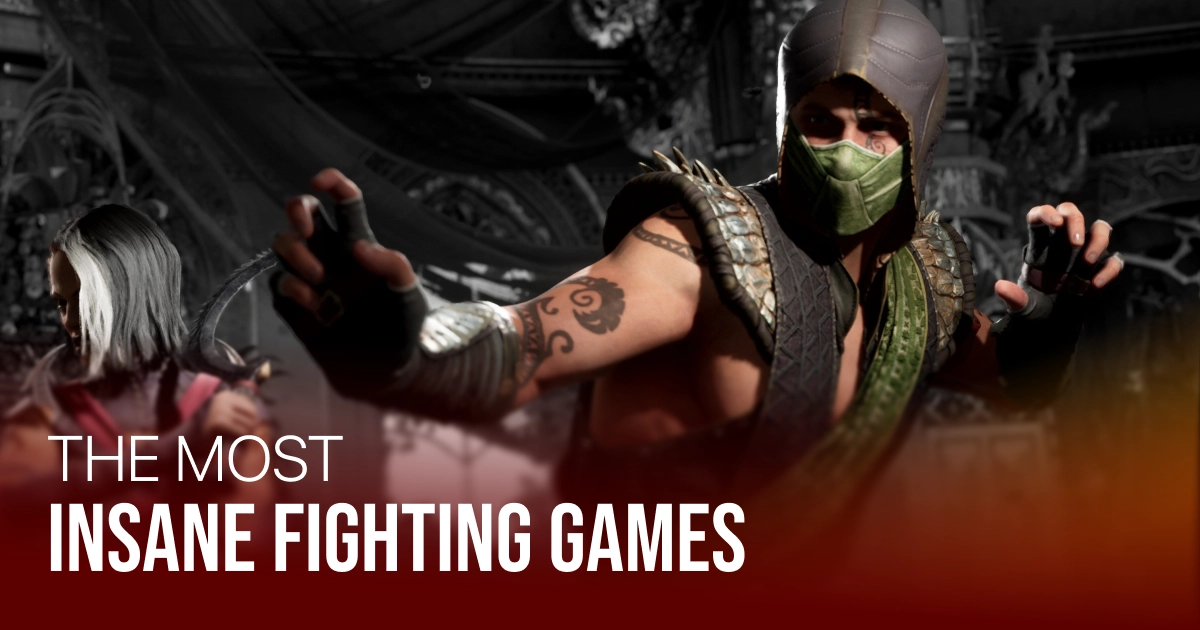
Mortal Kombat 1: Blood, Spectacle, and the Famous Fatalities

If there's a series that needs no introduction to fighting game fans, it's Mortal Kombat. There's always been a little more blood, a little more insanity, and far more ways to spectacularly send an opponent to the afterlife.
Mortal Kombat 1 reboots the familiar universe and offers a new version of the story, where the fates of known characters unfold completely differently.
The use of partners during fights is especially interesting. They allow you to extend combos and create unexpected sequences, adding an extra layer of tactics to the familiar formula.
GUILTY GEAR -STRIVE-: Anime, Rock, and Incredible Speed

GUILTY GEAR -STRIVE- is hard to confuse with any other fighting game. A vibrant visual style, insane characters, heavy rock music, and incredibly flashy attacks turn every match practically into interactive anime.
But behind the external beauty lies a serious combat system. Characters differ not only in appearance but also in their fighting principles. Some prefer to keep their distance, others literally don't let the opponent get off the floor.
STRIVE is an excellent example of how a fighting game can be simultaneously beautiful, fast, complex, and incredibly stylish.
DRAGON BALL FighterZ: A True Battle of Z Warriors
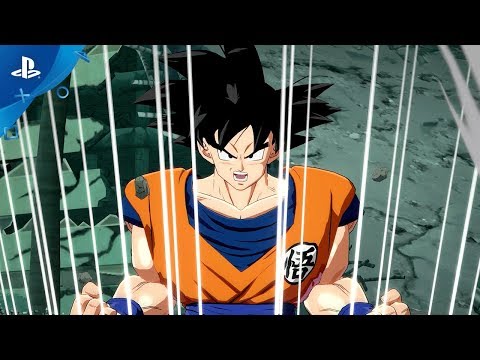
Imagine you finally got the chance to stage that very Dragon Ball fight that previously only existed in your head. Goku vs. Vegeta? Why not. Three characters at once? Easy.
Dragon Ball FighterZ turns the famous universe into a dynamic team-based fighter. You assemble a team of three fighters and can switch between them right in the middle of the battle.
JoJo’s Bizarre Adventure: All-Star Battle R: Madness Turned into a Fighting Game

JoJo’s Bizarre Adventure: All-Star Battle R is a fighting game for those who find ordinary fighters too boring. Here, characters from different parts of JoJo meet in one arena, and their abilities are as unusual as you'd expect from this universe.
Battles are built around unique moves, Stands, and special abilities. So, an ordinary confrontation between two characters quickly turns into a real spectacle.
BlazBlue: Cross Tag Battle: When Universes Collide

BlazBlue: Cross Tag Battle is built on a simple but very appealing idea: to gather characters from several well-known universes in one game.
Here, heroes from BlazBlue, Persona 4 Arena, Under Night In-Birth, and RWBY meet. The result is a kind of crossover where practically every character has their own mechanics and possibilities.
The main feature is team battles. You choose two characters and can quickly switch between them, creating combos and unexpected sequences.
Ultra Street Fighter IV: A Genre Legend

Ultra Street Fighter IV is a true hello from the era when Street Fighter firmly established itself as one of the world's premier fighting games.
There's no need for huge special effects or complex story constructs here. The foundation is precise control, smart use of attacks, and understanding what your opponent is doing.
Ultra Street Fighter IV perfectly demonstrates the main philosophy of classic fighting games: victory comes not from luck but from knowing the game better and reacting faster.
TEKKEN 7: A Classic That Isn't Going Anywhere

TEKKEN 7 became one of the main entries in the series and essentially prepared the ground for the next generation of Tekken. It brings together familiar mechanics, a huge roster of fighters, and one of the most recognizable combat systems in the genre.
But the most interesting part begins when you stop just pressing buttons. Tekken forces you to learn: to understand distance, memorize your opponent's movements, and correctly choose the moment to attack.
That's why even years later, TEKKEN 7 remains an excellent choice for those who want to understand the genre.
Mortal Kombat 11: A Fatality You Can't Forget

Mortal Kombat 11 continues the series' signature formula but makes it even more spectacular. Every character looks detailed, arenas are filled with effects, and the fights themselves feel heavy and powerful.
But, of course, the main reason players return to Mortal Kombat is the Fatality. The developers have once again turned finishing moves into a separate art form.
This is a fighting game that doesn't try to be subtle. It wants to surprise, shock, and make you say: "Okay, one more round."
Conclusion
A good fighting game is one that's easy to start and incredibly difficult to fully master. The first matches are fun, but then the most interesting part begins: learning characters, combos, timings, and opponent habits.
TEKKEN 8 bets on aggressive modern gameplay, Street Fighter 6 is great for both newcomers and veterans, Mortal Kombat wins with spectacle, and GUILTY GEAR -STRIVE- proves that a fighting game can look like a real anime.
And if you add Dragon Ball FighterZ, JoJo’s Bizarre Adventure, BlazBlue, and classics like Ultra Street Fighter IV to the mix, it becomes clear: the genre practically has no single correct face.
You can play for competition, for spectacle, or simply to invite a friend over in the evening and settle one very important question: who's going to be on the floor tonight?