
Not every video game needs to send us off to save the universe, battle ancient evil, or become the greatest warrior in history. Sometimes it's far more interesting to step into the shoes of a completely ordinary person with no superpowers, no legendary weapon, and no pre-written happy ending. Just everyday problems, tough circumstances, and the need to somehow deal with it all.
These games tell stories about people whose lives could easily unfold somewhere beyond the screen. Someone is trying to survive a war, someone is untangling family history, and someone has to learn how to live again after losing a loved one. There's no familiar split between great heroes and villains here. There are human relationships, mistakes, memories, and decisions whose consequences sometimes matter more than any victory over a final boss.
We've rounded up 10 games where the main characters aren't world saviors, but ordinary people with their own fears, hopes, and problems.
This War of Mine

In most war games, you control heavily armed soldiers, take part in large-scale battles, and gradually turn into a machine built for destroying enemies. This War of Mine offers a completely different perspective on armed conflict. Here you're responsible for a group of civilians trapped in a besieged city.
The main goal isn't defeating the enemy, it's making it through one more day. You need to scavenge for food, medicine, and materials, fortify your shelter, keep an eye on everyone's health, and make tough calls. Sometimes survival means risking other people's lives or taking the last supplies from someone else. The game doesn't try to justify those actions, leaving you alone with the consequences of your choices. This War of Mine shows war not through victory reports, but through the fates of those who simply had the bad luck to be caught in its epicenter.
Valiant Hearts: The Great War

World War I has served as the backdrop for plenty of video games, but not many of them tell the story through the eyes of ordinary people. Valiant Hearts: The Great War weaves together several human stories connected by the events of one of the most devastating conflicts of the 20th century.
At the center of the narrative are people of different nationalities who find themselves on opposite sides of the front. Their fates intertwine against a backdrop of battles, losses, and attempts to hold onto human dignity in inhuman conditions. Instead of the usual military action, you get an adventure puzzle game with location exploration and problem-solving. There's almost no sense of heroic triumph here. Even the bravest acts don't undo the tragedy of what's happening. This is a story about what war does to ordinary people.
What Remains of Edith Finch
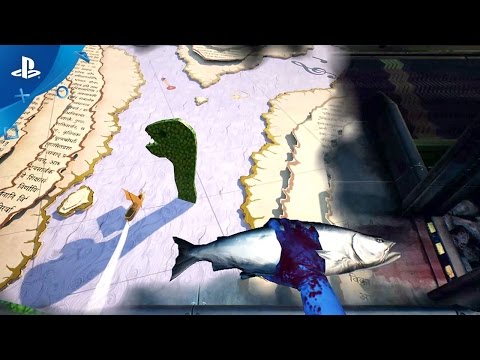
Sometimes the biggest adventure is trying to make sense of your own family. What Remains of Edith Finch tells the story of a young woman who returns to her family home to learn more about the fates of her relatives.
Exploring rooms, old belongings, and family photographs, Edith gradually uncovers the stories of people who are no longer around. Each one is presented in its own way: the perspective shifts, the narrative style changes, and even the usual rules of interacting with the game world get bent. Behind the unusual presentation lie very relatable human experiences: loneliness, fear, hope, and the desire to leave some kind of mark behind. There's no need to defeat or save anyone here. You just have to pay close attention to the world around you and listen to the stories of people who once called this house their home.
Open Roads

Open Roads turns an ordinary family trip into a journey through memories and complicated relationships. The main characters, Tess and her mother Opal, set out to explore abandoned family properties after discovering old letters and documents.
As they travel, the two women learn details about their family's past, confront long-forgotten stories, and gradually uncover secrets they'd rather not have discussed before. The focus isn't on some incredible adventure, but on the relationship between mother and daughter. They have to learn to understand each other, talk about uncomfortable topics, and come to terms with their family legacy. Open Roads is a reminder that sometimes even a short trip can change how you see the people closest to you.
A Memoir Blue

A Memoir Blue tells its story almost entirely without words. It's an interactive narrative about a professional swimmer named Miriam who reflects on her childhood and her relationship with her mother.
Through a series of surreal episodes, you gradually learn what the girl's upbringing was like, what hardships her family went through, and why some memories still stir up conflicting feelings. The visual presentation blends 3D spaces with hand-drawn elements, and simple interactions convey emotion without lengthy dialogue. There are no grand conflicts or difficult trials here. The whole story revolves around one very ordinary human theme: the relationship between a child and a parent, which doesn't always turn out the way you'd hope.
Florence

Florence is about the relationship between two young people who meet, fall in love, and gradually face the everyday challenges of life together. The main character, Florence, lives a pretty ordinary life: she works, spends time at home, talks to loved ones, and tries to figure out what she actually wants.
Meeting cellist Krish marks the start of a new chapter, but the game doesn't turn their relationship into a fairy tale with a guaranteed happy ending. Instead, it shows the gradual closeness, the little domestic moments, the disagreements, and the changes people go through over time. The gameplay consists of small interactive scenes, puzzles, and simple actions that reflect the characters' daily lives. Florence proves that even a story without fantastical events or dramatic twists can feel deeply personal and memorable.
Closer the Distance

In Closer the Distance, you find yourself in a small town whose residents are dealing with a tragic loss. A young woman named Angela dies in a car accident, and her loved ones and acquaintances are left trying to cope with what happened and move forward.
The game's unusual twist is that you can observe several residents, help them make decisions, and influence how they process their grief. Each character has their own relationships, needs, and emotional state. Some need support, others try to hide their feelings, and some simply don't know how to move on. There's no familiar villain to defeat here. The main conflict unfolds within a small community where everyone grieves the same tragedy in their own way.
Life is Strange 2

In Life is Strange 2, the main characters are two teenage brothers, Sean and Daniel Diaz. After a tragic incident, they're forced to leave their home and set out on a long journey across the United States. The brothers have no solid plan, no resources, and no adults around to solve their problems for them.
Along the way, they encounter strangers, prejudice, dangerous situations, and the consequences of their own actions. Sean has to take responsibility for his younger brother, who doesn't always understand what's going on around him. Player choices carry real weight: they shape the relationship between the characters and determine how the story unfolds. Despite Daniel's unusual ability, the heart of the narrative remains firmly grounded: family, growing up, responsibility, and the search for a safe place in a world that isn't always ready to accept you.
Paradise Lost

In Paradise Lost, you explore an alternate version of history where World War II dragged on for two more decades and ended in nuclear catastrophe. The main character is a twelve-year-old boy named Szymon who discovers a massive abandoned Nazi bunker in the middle of the Polish wasteland.
Inside lie traces of a long-vanished civilization, strange machinery, and countless questions about the past. Exploring the underground complex, Szymon gradually learns what happened to its inhabitants and what secrets the place holds. Despite the unusual alternate reality, the story plays out as an ordinary child's journey to make sense of the world around him. Instead of combat and grand feats, you get exploration, atmosphere, and the slow unraveling of other people's fates.
The Life and Suffering of Sir Brante
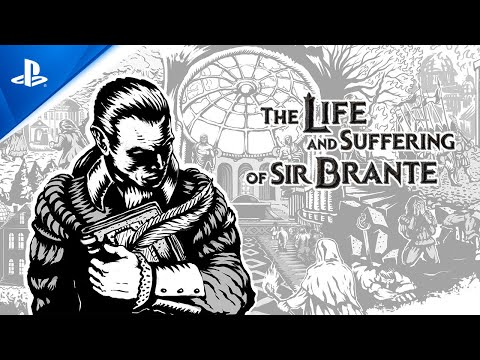
The Life and Suffering of Sir Brante tells the story of a man who has to fight against society's constraints from the moment he's born. The game is set in a fictional world where a person's station is determined by their birth, and the social order leaves almost no room for independent choice.
You live the main character's life from childhood to adulthood, making decisions that shape his personality, his relationships, and his ultimate fate. You can try to accept the existing order, fight for your own standing, or rise up against the system. Every decision has consequences, and some mistakes can't be undone. Unlike typical fantasy RPGs, there's no need to become a great warrior or save the kingdom from ancient evil. This is a story about a person trying to decide for himself who he wants to be in a world where almost everything has already been decided for him.
You Don't Have to Save the World to Tell a Good Story
These games show the lives of ordinary people in very different ways. Some make you think about the cost of survival, others explore family relationships, growing up, love, and loss. But they all share one thing in common: the main characters have limited power and can't solve every problem with one dramatic act.
That's exactly why these stories can hit closer to home than grand adventures about saving humanity. In real life, you rarely have to fight ancient gods or wipe out armies of monsters. Far more often, you have to make tough decisions, deal with the fallout from your mistakes, and try to find your place among other people.