
You don't need to make the player flinch every five minutes to create a genuinely scary game. Sometimes a dark corridor, a suspicious sound behind a wall, or the feeling that someone is watching you from deep in the woods is enough. The worst part starts when nothing happens, but you're already afraid to take the next step.
Good psychological horror games know how to play with your imagination. They don't rush to show their monsters, they don't explain every oddity, and they leave plenty of room for anxious speculation. As a result, the player starts imagining what might be hiding in the dark. And more often than not, that fantasy turns out to be far scarier than anything the developers could have put on screen.
We've rounded up 10 games where atmosphere, uncertainty, and constant tension do far more work than cheap jump scares.
Darkwood

In Darkwood, the fear sets in long before the first genuinely dangerous enemy shows up. You find yourself in a grim forest filled with strange creatures, abandoned settlements, and inexplicable events. There are almost no familiar landmarks here, and the world constantly makes you feel like something hostile is lurking behind every tree.
The nights are especially tense. You need to find shelter, fortify it, barricade the entrances, and prepare for uninvited guests. At the same time, you don't always know where the danger is coming from. Sounds beyond the walls, strange silhouettes, and sudden changes in the environment force you to stay alert at all times. Darkwood doesn't try to scare you every minute. It simply creates conditions where even your own shelter stops feeling safe.
Black Mirror

Black Mirror drops you into an old estate wrapped in dark family secrets. Protagonist Samuel Gordon returns to the family manor after his grandfather's tragic death, but quickly realizes that something far more unsettling than ordinary family conflicts hides within the mansion's walls.
You'll explore rooms, piece together the mysteries of the past, and gradually uncover the history of the Gordon family. The manor is packed with strange details, disturbing imagery, and an atmosphere of constant unease. You don't need to keep running into monsters to feel the danger. Just examining another room or learning a new detail about the family history is enough to make it clear that things are getting more sinister. Black Mirror leans on gothic atmosphere, secrets, and slowly building tension.
Kona II: Brume

In Kona II: Brume, you head to northern Canada, where a small mining region is shrouded in a mysterious fog. The protagonist explores snowy terrain, abandoned buildings, and settlements while trying to make sense of the strange events unfolding around them.
The cold atmosphere of the northern wilderness becomes a full-fledged part of the horror. Limited visibility, distant sounds, and a sense of isolation constantly remind you how far away help really is. The danger isn't always obvious either. Sometimes spotting a suspicious trail or hearing something just beyond your line of sight is enough to make you abandon further exploration. The game slowly reveals its mystery but never rushes to give answers. What's scary here is the impossibility of knowing how far things have already gone.
Sherlock Holmes The Awakened

Even Sherlock Holmes can't always find a rational explanation for what's happening. In Sherlock Holmes The Awakened, the famous detective confronts a cult tied to an ancient being, and the investigation gradually turns into a journey through the darkest corners of the human mind.
The game leans on an unsettling atmosphere, grim locations, and a sense of encroaching madness. What scares you here isn't so much what might jump out from around a corner, but the thought that some secrets are better left undiscovered.
Tormented Souls 2

Tormented Souls 2 gives classic survival horror elements a modern continuation. Protagonist Caroline Walker travels to the remote town of Villa Ess in an attempt to help her sister Anna. But the search quickly turns into a journey through a nightmarish world filled with monsters, puzzles, and terrifying locations.
The game doesn't try to constantly surprise you with sudden enemy appearances. Instead, it relies on genre staples: limited resources, dangerous rooms, challenging puzzles, and the need to think through every step. Exploring abandoned buildings gradually reveals increasingly unpleasant details about what's going on. The sense of vulnerability works especially well. Even after getting a weapon, you never feel fully protected. Sometimes it's better to spend time finding a way around than to test how dangerous the next corridor really is.
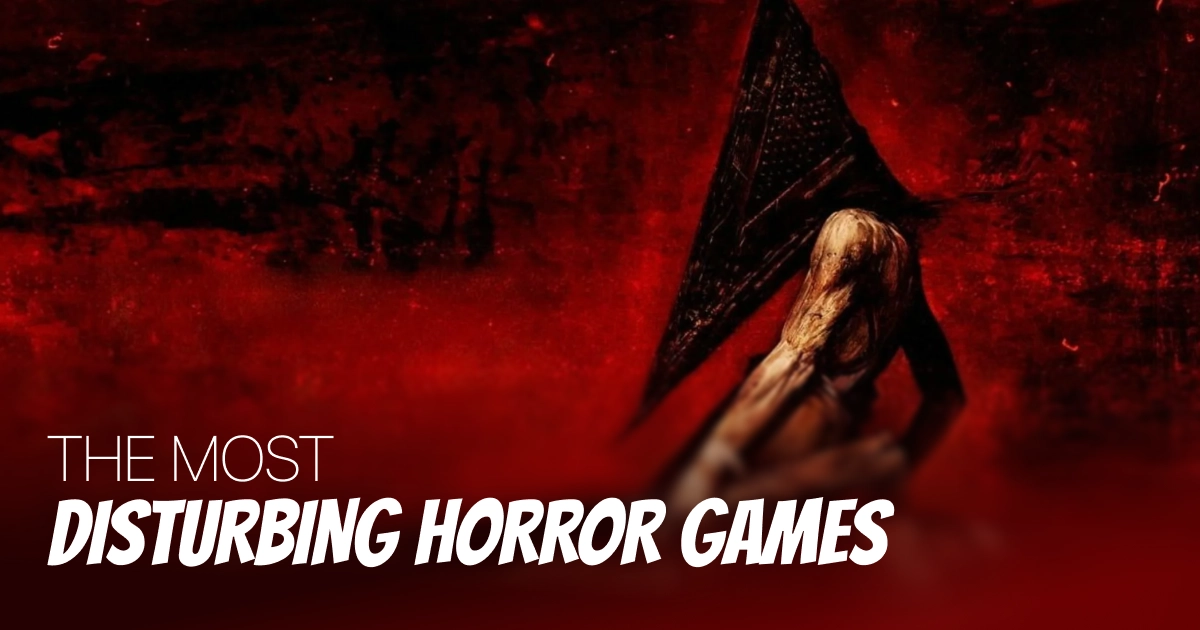
Silent Hill 2

Silent Hill 2 has long been one of the prime examples of how a video game can create genuine psychological horror without constant jump scares. Protagonist James Sunderland receives a letter from his deceased wife and travels to the town of Silent Hill, hoping to find her there.
But the town greets him with thick fog, empty streets, and creatures that seem to have crawled out of the most unpleasant corners of the human mind. It gradually becomes clear that what's happening is tied to James's own inner turmoil. The sound design, unusual camera angles, and constant sense of loneliness create an atmosphere that's hard to shake even after leaving a dangerous area. Silent Hill 2 scares you not so much with its monsters as with what they might mean.
The Hungry Fly

The Hungry Fly asks you to see the world from a completely unusual perspective. You play as a fly trapped in a grim, unpleasant space filled with strange creatures.
The game uses deliberately repulsive visuals, surreal imagery, and an offbeat atmosphere. There's no typical genre setup of an armed hero facing off against a giant monster. Instead, you explore a strange world, encounter horrifying creatures, and gradually sink deeper into the nightmare. Visual discomfort becomes one of the main tools of impact. The Hungry Fly shows that horror can work even without traditional techniques, as long as the world around you feels wrong enough.
INSIDE
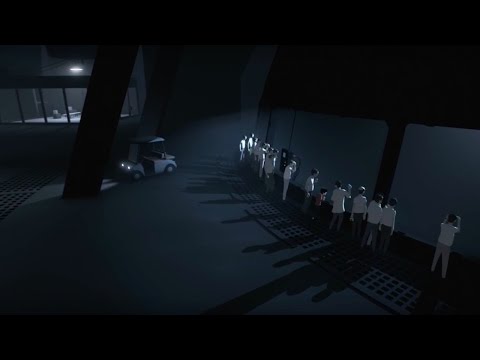
In INSIDE, you control a boy trying to make his way through a dark and hostile world. Unknown people are chasing him, strange experiments are happening all around, and the familiar environment gradually turns into a full-blown nightmare. The game uses almost no dialogue, so you have to figure everything out on your own.
The main strength of INSIDE lies in its atmosphere of constant danger. There's no need to show monsters in close-up or use sudden jump scares. A silhouette in the distance, a suspicious movement, or a sound behind your back is enough to send you looking for cover. The further you go, the more questions the world raises. And you won't want answers to all of them.
Alien: Isolation

In Alien: Isolation, the fear almost never lets go. Protagonist Amanda Ripley travels to the space station Sevastopol to learn the truth about her mother's disappearance. But instead of a quiet investigation, she finds herself face to face with a xenomorph that's nearly impossible to defend against.
What sets the game apart is the enemy's behavior. The alien appears in scripted scenes. It constantly hunts you, reacts to noise, and forces you to change tactics. You'll hide in lockers, under tables, and behind various cover, trying not to give away your position. Even the simple act of moving from one room to another becomes a serious problem. Alien: Isolation understands that the unknown and the anticipation of danger are sometimes scarier than the encounter itself. And when the xenomorph actually shows up, there's no time left for thinking.
Scorn

Scorn drops you into one of the most unpleasant game worlds imaginable. The environment resembles a massive living organism, where buildings, mechanisms, and various structures are made of bone, flesh, and incomprehensible biological elements.
The protagonist explores this strange world with almost no explanation. You have to figure out how the surrounding mechanisms work on your own, find ways forward, and encounter creatures that look like they should never have existed. There's no conventional storytelling with lots of dialogue and hints. Instead, the developers use visual imagery, sound, and architecture to create a constant sense of disgust and unease. Scorn doesn't scare you with sudden events so much as it forces you to exist inside a world that feels wrong and hostile from the very start.
The Scariest Moment Is Still Ahead
A good horror game doesn't need to constantly announce itself with loud noises and sudden monster appearances. Sometimes it's enough to leave the player alone in an unfamiliar room, cut the music, and let them listen to every creak on their own.
These are the games that stick with you. They make you fear what might happen a few seconds from now. And when the tension builds slowly, even an ordinary turn around a corner becomes a real test. The most unsettling fear often comes when you don't yet know what you should be afraid of.