
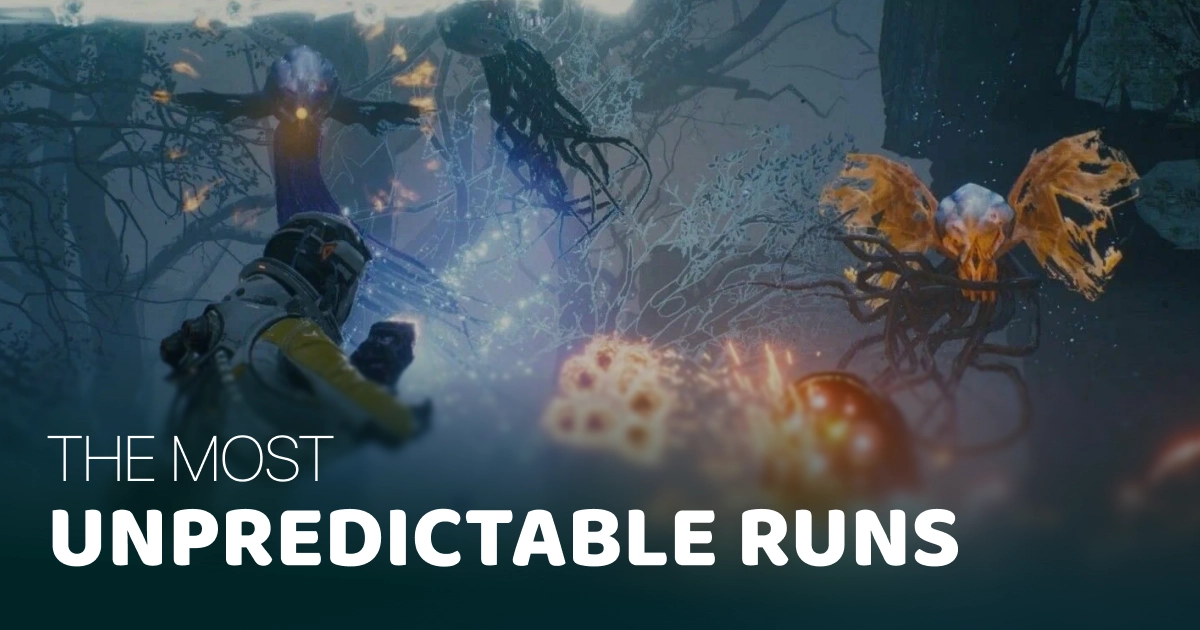
Some games you can beat once, memorize enemy placements, learn the routes, and never come back. Others only let that kind of preparation take you so far. Next time the map will be different, useful items will spawn somewhere else entirely, and your go-to tactics will suddenly stop working.
In these games, a lot rides on randomness: procedural generation reshapes levels, events throw unexpected challenges your way, and the items and abilities you find force you to constantly rethink your playstyle. Memorizing the perfect strategy won't work. You have to improvise, adapt, and sometimes dig yourself out of situations you walked right into.
Gatekeeper

In Gatekeeper, players head to several dangerous planets, fight through hordes of enemies, and try to recover the stolen Heart of Time. Every run throws new challenges at you, and the artifacts and upgrades you find gradually shape your combat build.
The game features nine characters with different abilities and over a hundred upgrades you can mix and match. One run you might build a hero who wipes out entire groups of enemies with massive attacks, and the next you might go for a completely different approach. Throw in varied biomes, quests, and bosses, and you get a game where even a familiar route doesn't guarantee the same result twice.
Ravenswatch
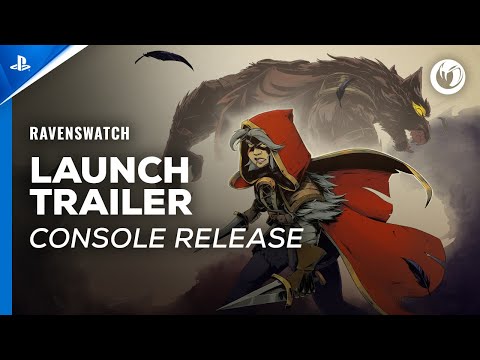
Ravenswatch drops familiar fairy tale and legend characters into a grim world where the stories you remember don't end the way they used to. Little Red Riding Hood, the Snow Queen, and other heroes fight nightmarish creatures while trying to stop the spread of the Corruption.
Each playthrough offers new challenges, random encounters, and different ways to develop your character. You have to decide where to go, which enemies are worth your time, and which abilities to upgrade. One bad route can cost you dearly, while the right upgrades can completely flip a fight. The game really shines in co-op, where you have to think about your teammates' builds as much as your own.
Roguebook
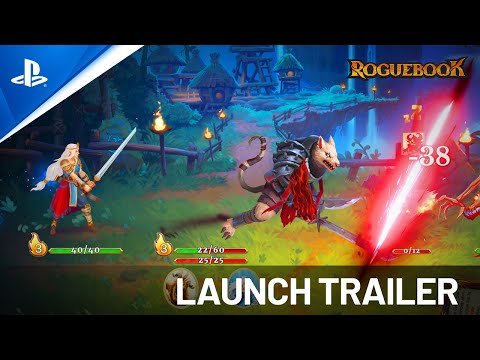
In Roguebook, every journey starts with a new page, quite literally. You explore a magical book, gradually revealing its map using ink and other special resources. Beyond the areas you've already uncovered, treasures, enemies, events, and useful upgrades could be hiding anywhere.
The combat system is built on card mechanics: two chosen heroes form your deck, and the cards and artifacts you find determine your strategy going forward. You can put together a combo built around heavy attacks or lean into defense and gradual character scaling. But you can never predict what options will show up this time. That's what turns every run into its own puzzle, where playing your cards right matters just as much as exploring the map smartly.
Heroes of Hammerwatch II

Heroes of Hammerwatch II sends you back into procedurally generated dungeons where new enemies, traps, and treasures could be waiting around any corner. You pick a character class, head out on another adventure, and gradually collect gear that helps you deal with bigger threats.
But the run itself isn't the whole story. Between expeditions you can develop your town, unlock new options, and power up your hero. Different classes and the gear you find let you try all sorts of approaches. Even when familiar enemies no longer scare you, the random level generation and new enemy combinations keep you on your toes.
Ember Knights

Ember Knights is built around fast combat where success depends on your reflexes, weapon choice, and ability usage. You fight through waves of enemies, explore shifting locations, and face off against powerful bosses.
The main reason to keep coming back is the build variety. Weapons, skills, and relics let you create wildly different combinations. You can focus on quick attacks, deal massive damage with single hits, or play a more cautious game. The upgrades available on your next run might be completely different, so you have to work with what you get instead of trying to recreate your last winning strategy.
Oblivion Override

Oblivion Override throws you into a sci-fi world populated by combat machines and dangerous enemies. It's a fast-paced roguelike platformer where you make your way through procedurally shifting levels, fight bosses, and gradually uncover the world's secrets.
Every attempt gives you new ways to build your character. Weapons, upgrades, and abilities can be combined as you experiment with different combat tempos and styles. One run might turn into a string of rapid attacks, while another pushes you toward ranged combat or special skills. The point is learning to make the most of whatever the current run hands you.
StarVaders

StarVaders blends turn-based tactics, card game mechanics, and classic arcade alien-blasting. You pilot a combat mech and defend Earth from an alien invasion, using cards for movement, attacks, and special actions.
Randomness here affects not just your enemies but also the cards, upgrades, and strategic options available to you. Every turn forces you to think through the consequences: sometimes it's better to take out one dangerous enemy, sometimes you're better off repositioning or setting up the board for your next attack. Different card and mech combinations let you experiment with tactics, so even familiar enemies can demand a completely different approach.
Returnal

In Returnal, exploring an alien planet becomes an endless loop of attempts to escape a trap. Every time protagonist Selene dies, she starts the journey over, but the world around her and the gear available change. Familiar routes don't always stay the same, and new weapon and item combinations force you to adapt to the current conditions.
What makes the game especially interesting is how it pairs procedural generation with fast-paced gunplay. You can't count on a specific weapon or set of upgrades ahead of time, so you have to squeeze every bit of value out of what you find. Even if your last attempt ended just short of the goal, the next one might demand a completely different strategy.
For the King

For the King feels like a tabletop adventure where every new campaign can end in a completely unexpected way. You assemble a party of heroes, explore a fantasy kingdom, and try to stop the chaos. But you can't plan the perfect route in advance: the map, quests, loot, and events are all generated fresh for each playthrough.
Random encounters can turn into valuable rewards, dangerous traps, or surprise battles. You have to manage your resources, account for each character's quirks, and decide whether the next reward is worth the risk. Party movement decisions matter a lot: split up to explore more ground or stick together for safety.
Don't Starve Together
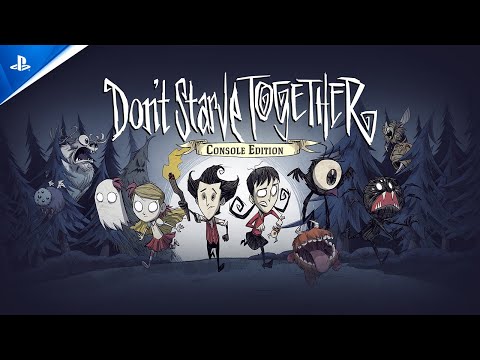
In Don't Starve Together, survival starts with nearly empty hands and a huge world that has no intention of making your life easier. Forests, swamps, deserts, and other biomes are procedurally generated, so the placement of resources and danger zones changes from one world to the next.
But map generation is only part of it. Changing seasons, boss spawns, strange creatures, and constant resource shortages force you to change plans on the fly. What kept you alive early on might be useless a few in-game weeks later. And in co-op things get even more interesting: you have to split responsibilities, build a shared camp, and deal with the consequences of your own decisions together.
Conclusion
The defining trait of these games is that they never let you settle into one script for long. Even when you know the mechanics, victory is never guaranteed: random generation, unexpected events, and new item combinations keep rewriting the rules of any given run.
That's exactly why it's so easy to sink an extra hour into them. There's always the feeling that the next run will go better, the new build will be stronger, and the next adventure will finally end in victory. Though sometimes it just ends in another defeat. But that's just a reason to start over.