
Introduction
Strategy games have a knack for turning a simple mistake into a state-level catastrophe. You didn't allocate enough resources to the army, spotted the enemy too late, or spent money on the wrong building. Suddenly, yesterday's superpower is desperately clinging to its last city. And the culprit is rarely game balance; it's the person who thought they had everything figured out.
That's the special pleasure of the genre. Strategy games rarely offer a single correct path to victory. Some demand economic development, others test tactical thinking, and still others force you to choose between the well-being of your citizens and the survival of your state.
We've picked ten strategy games from the AltMarket catalog, each revealing the genre's core idea in its own way: victory doesn't necessarily go to the strongest, but to the one who understands the situation best.
Frostpunk
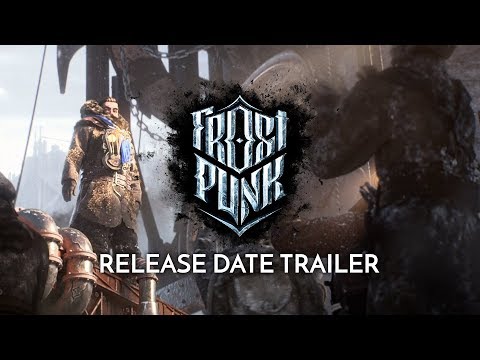
In Frostpunk, city building becomes a constant fight for survival. Putting up houses and getting production running isn't enough: you need to keep people warm, fed, and hopeful that tomorrow won't be their last day alive.
The real trouble starts when resources run short. You can tighten the rules, extend work shifts, or sacrifice long-term development for immediate results. Every choice solves one problem but can easily create another.
Frostpunk is compelling precisely because there are no comfortable solutions. Sometimes the city survives, but the price of that survival turns out to be far higher than expected.
Age of Empires IV
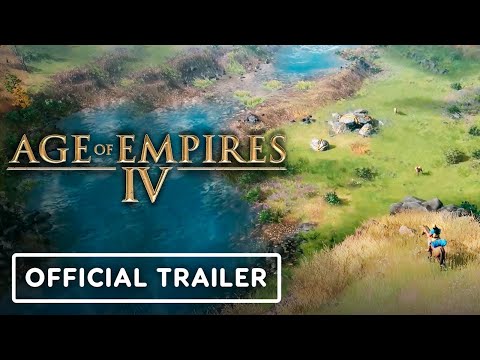
In Age of Empires IV, great conquests start with far less heroic tasks: chopping wood, gathering food, and putting up yet another building. While one player lays the economic foundation of a future empire, another may already be massing an army at their borders.
The balance between development and war shapes almost everything. Invest in troops too early and you risk falling behind technologically. Focus on development for too long and your opponent will demonstrate why defense deserves attention too.
Age of Empires IV doesn't try to reinvent the genre. Instead, it takes a proven formula and turns every match into a contest of planning, pacing, and reading your opponent's moves.
Total War Saga: Troy

Total War Saga: Troy takes you to the era of the Trojan War, where a campaign's fate is decided not only on the battlefield but also on the strategic map. You need to develop your holdings, manage resources, and decide who to fight and who to keep the peace with for now.
The battles themselves demand a separate approach. Numerical superiority doesn't guarantee success if your troops are in a bad position or let the enemy flank them. Sometimes a smart maneuver beats another infantry unit.
The real test, though, begins after victory. Your army may win the battle, but a drained economy and poor diplomacy will quickly remind you that war doesn't end with the final blow.
Age of Empires II: Definitive Edition
Age of Empires II: Definitive Edition proves that a classic strategy doesn't have to age along with the technology it was originally built on. Developing your civilization, advancing through the ages, and fighting for resources still come together into a compelling system.
The variety of civilizations lets you change your approach every match. You can bet on early pressure, technological development, or a powerful late-game army. But any plan requires adaptation: your opponent is unlikely to politely wait while you finish your grand preparations.
It's a great example of how depth comes not from the number of mechanics but from how they interact. Simple rules open up room for decisions that players are still exploring years later.
Company of Heroes 2

Company of Heroes 2 reminds you that in war, sending a unit in the right direction isn't enough. You need to know where it will be in a minute and what the enemy will be doing at that moment.
Cover, control of key points, and smart unit coordination often matter more here than numerical superiority. A frontal assault on a prepared defense can end faster than you can issue the retreat order.
The game's value lies in making the battlefield a space for constant tactical decisions. You have to react to changing situations rather than just watch two armies collide.
Stronghold: Warlords

In Stronghold: Warlords, building a fortress means putting up impressive walls. Behind the defensive structures, a full economy has to keep construction, production, and army upkeep running.
That's why preparing for war starts long before the enemy shows up at your gates. If resources are short, production is poorly organized, or the army costs too much to maintain, even an imposing fortress becomes a problem for its own owner.
The game delivers the familiar pleasure of developing a medieval domain while constantly reminding you that walls protect against enemies, not against the consequences of poor management.
Anno 1701

Anno 1701 is all about developing settlements and trade routes, but beneath the outwardly calm city building lies a fairly demanding economic system. Residents need goods, businesses need resources, and expanding the city complicates logistics.
One production chain pulls another along with it. The bigger the settlement gets, the more carefully you have to manage supply. You can build a new district, but without the necessary goods its development will quickly stall.
Anno 1701 suits players who enjoy a well-oiled system. The satisfaction here is understanding why a grown city actually works.
Command & Conquer: Remastered Collection

Command & Conquer: Remastered Collection brings back two classic RTS games where the rules are clear almost from the first minutes: gather resources, build a base, produce units, and destroy the enemy.
But simplicity doesn't make the game shallow. You need to decide when to expand, how many resources to keep for defense, and when to go on the offensive. Hesitation gives your opponent an edge, while a rushed attack can leave your base undefended.
The collection is a reminder of a time when strategy games didn't need dozens of extra systems to hold your attention. Sometimes a good pace, clear objectives, and an opponent who won't make your life easy are enough.
Rome: Total War Collection

Rome: Total War Collection lets you view the expansion of an ancient empire from the perspective of someone who has to run a state and wage wars at the same time. Conquests bring new territories, but they also bring expenses and administrative headaches.
On the battlefield, unit positioning, troop coordination, and timely maneuvers matter. But even a brilliant victory loses its meaning if the state can't hold the captured lands.
That's the appeal of historical strategy games: conquering the world is often easier than dealing with the consequences of your own success.
HUMANKIND

HUMANKIND lets you guide a civilization through different historical eras, changing its cultural foundation as it develops. This approach encourages experimenting with advantages and building your own model of progress.
Some decisions boost the economy, others strengthen military power or scientific advancement. But there's no universal recipe: you have to account for rival civilizations, available territory, and your own long-term goals.
HUMANKIND is interesting because it treats history not as a predetermined route but as a space for experimentation. And sometimes abandoning the usual plan turns out to be the smartest move.
Conclusion
A good strategy game doesn't have to put you in command of thousands of soldiers or a vast empire. Sometimes a small city, limited supplies, and a few unpleasant decisions are enough to turn an evening into a full-blown management drama.
Frostpunk tests your willingness to answer for other people's lives, Age of Empires forces you to balance development and war, and Company of Heroes 2 demands constant attention to every part of the battlefield. In Anno 1701, the pleasure comes from a working economy, while the Total War series reminds you that winning a battle doesn't mean winning the war.
Strategy games are great because they don't promise easy victories. They give you tools, show you the consequences, and leave you to deal with the results of your own decisions. And if your latest empire collapsed from a lack of resources, you can always start over. This time, of course, everything will go according to plan.