
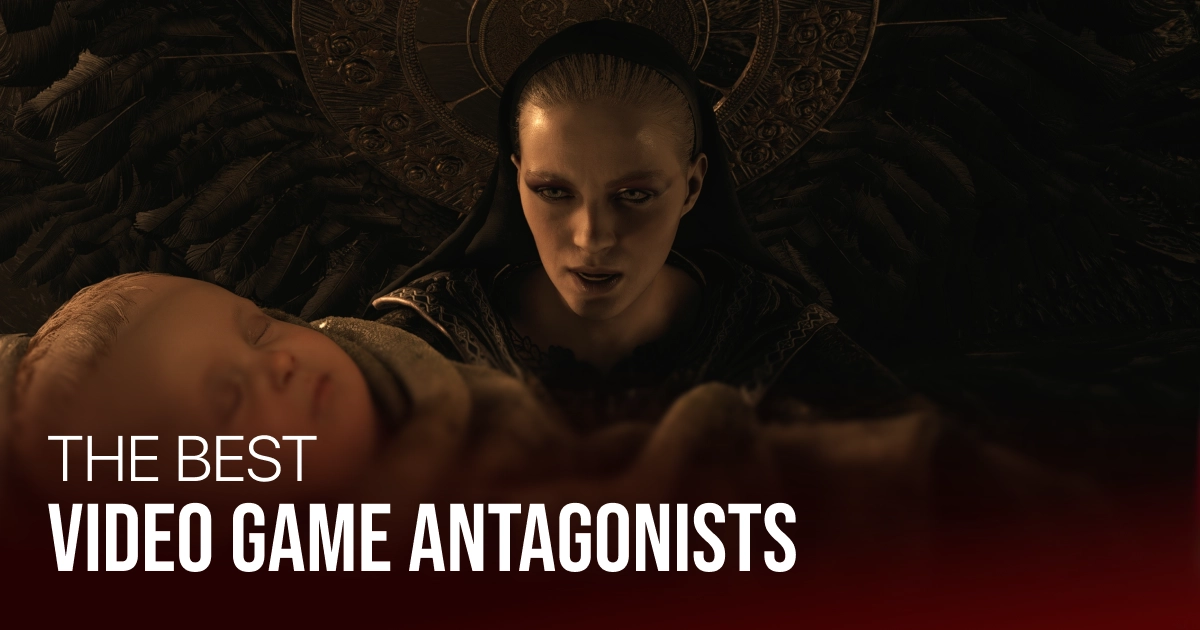
A good antagonist has a purpose beyond getting punched in the face by the hero at the end. Sometimes they're the reason you want to keep playing the story at all. A charismatic dictator, a mad scientist, a cold-blooded killer, or someone who genuinely believes they're right can stick with you far longer than the protagonist ever will.
Your list had plenty of games where the clash with the main enemy becomes one of the defining parts of the experience. So we've gathered the antagonists who did their job especially well.
Antón Castillo — Far Cry 6
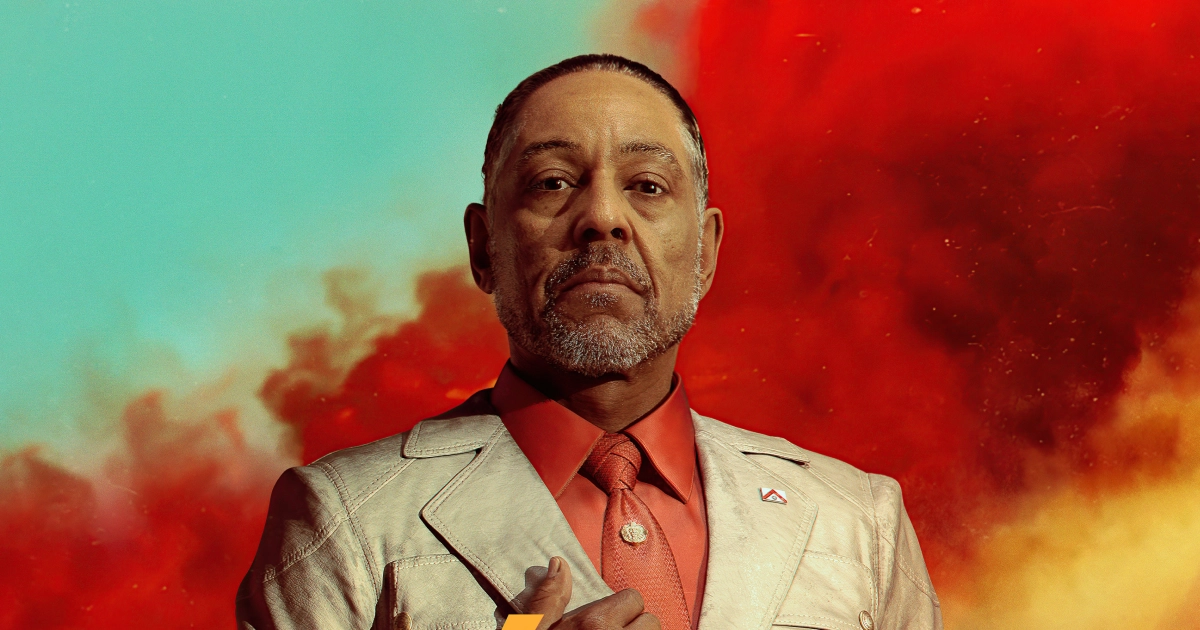
In Far Cry 6, the antagonist is Antón Castillo, ruler of the fictional nation of Yara. He's a dictator you need to topple to see the credits roll. Antón genuinely believes he knows how to make his country strong, and he's willing to turn its people into expendable resources to do it.
What works especially well is his relationship with his son Diego. Through their dynamic, the game shows Castillo not only as a political tyrant but also as a man trying to pass his own vision of power down to the next generation.
Antón isn't dangerous because he's constantly waving a gun around. His real weapon is far more mundane: absolute certainty that he's right.
Micah Bell — Red Dead Redemption 2
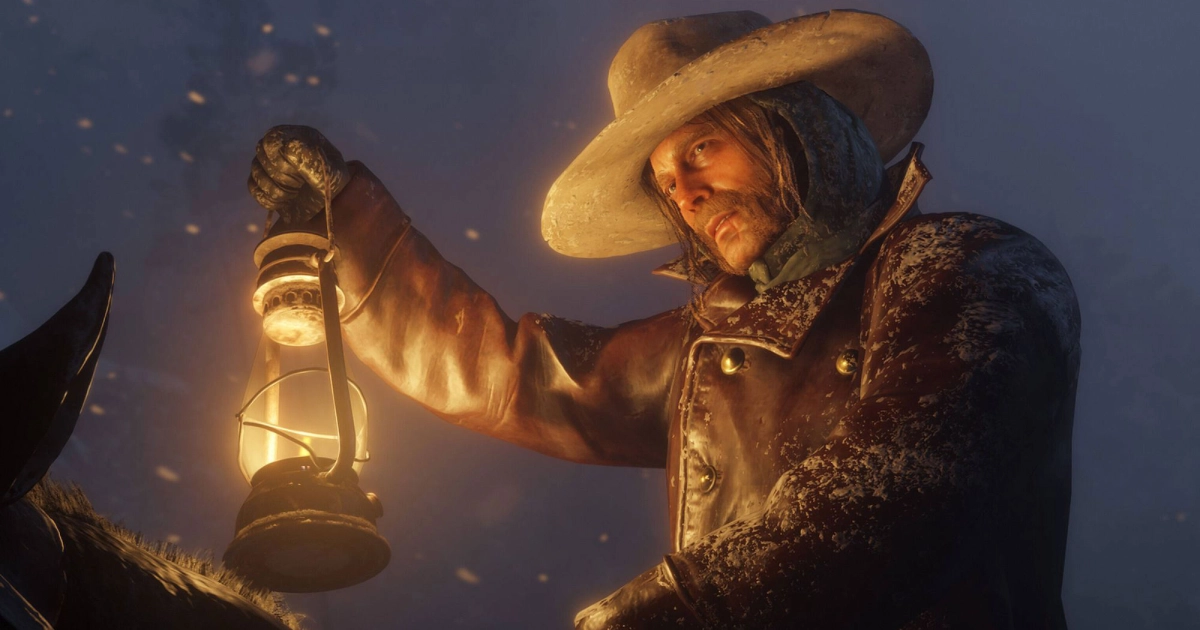
Micah Bell from Red Dead Redemption 2 doesn't fit the mold of a classic video game villain. He has no robot army, no ancient artifact, no plan to wipe out humanity.
He just has a repulsive personality.
And that's enough.
Micah gradually becomes one of the most toxic figures in the Van der Linde gang. He's aggressive, selfish, manipulative, and he knows exactly how to exploit other people's weaknesses. The worst part is that you watch his behavior unfold right alongside Arthur Morgan.
Micah doesn't show up in the final chapter as some sudden evil. The game methodically reveals who he really is as the gang's situation falls apart around them.
Alma Wade — F.E.A.R.
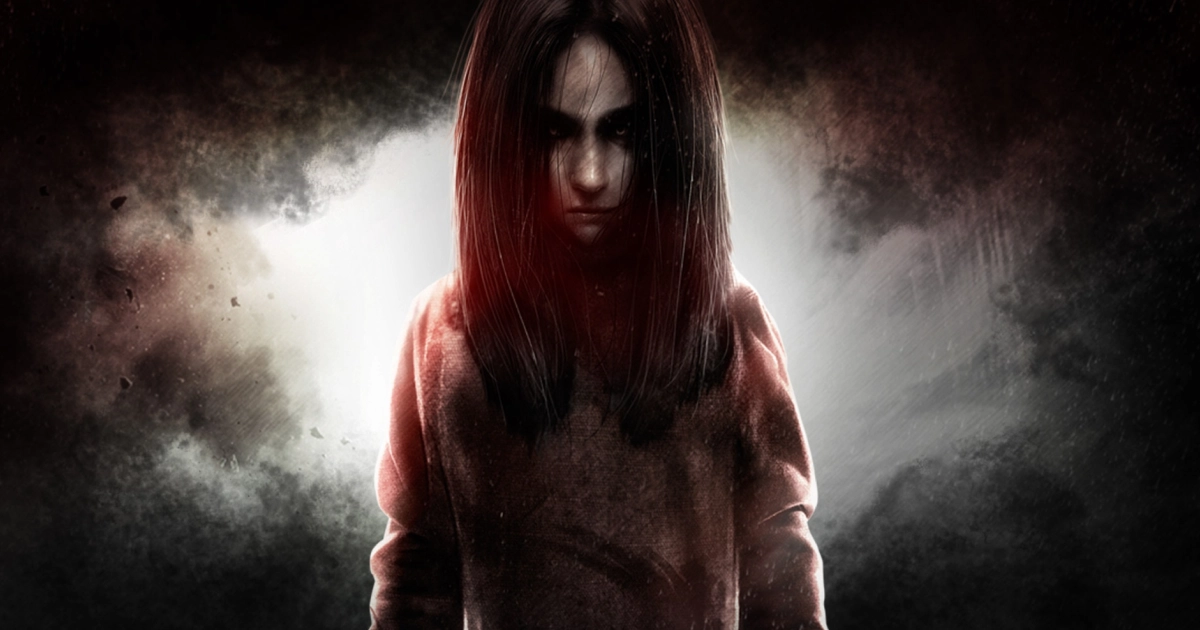
In F.E.A.R. 2: Project Origin, Alma Wade represents a completely different kind of antagonist.
She doesn't need long monologues or dramatic entrances. Sometimes a few seconds on screen is enough for the player to understand: things are about to get bad.
Alma is tied to the very nature of the series' supernatural events and is also one of the most recognizable figures in horror games. Her image works precisely because of the contrast: on the surface she's a terrifying ghost, but behind that lies the tragic story of a person who was used in experiments.
That's why Alma doesn't come across as just "a monster you need to defeat." She inspires fear and, at the same time, the sense that something far more human is behind it all.
Johnny Silverhand — Cyberpunk 2077
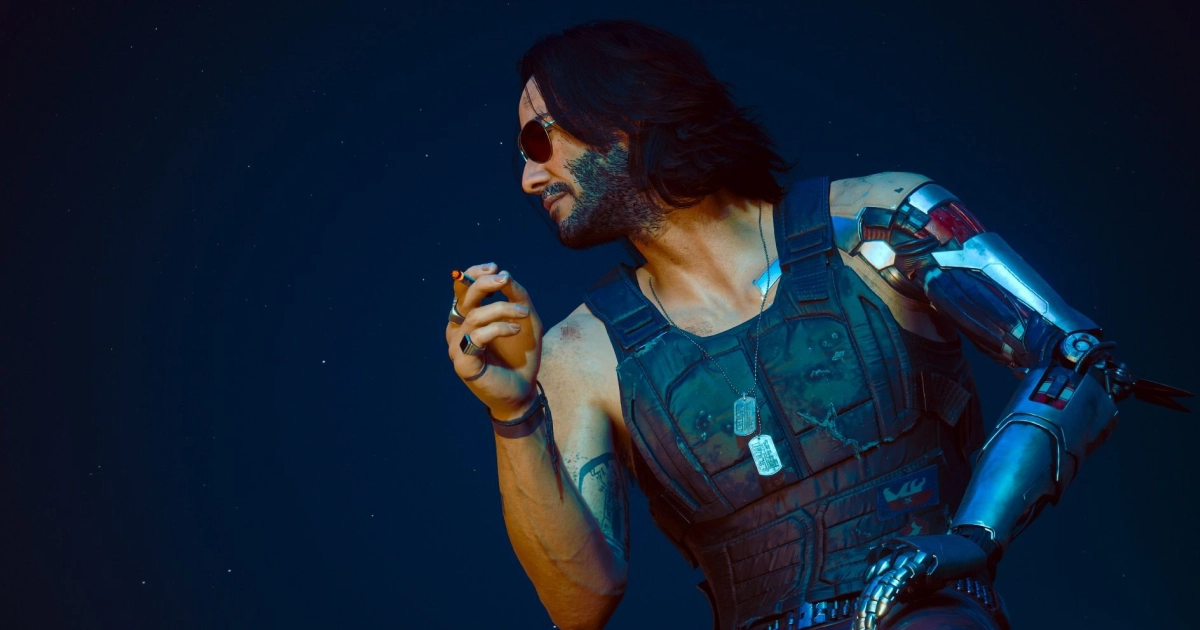
Johnny Silverhand from Cyberpunk 2077 is a pretty unusual case. Calling him the game's main villain would technically be wrong. But calling him one of the main sources of V's conflicts and problems is absolutely fair.
Johnny ends up literally inside the protagonist's head and gradually transforms from an annoying digital passenger into a full-fledged character in the story.
He's cocky, selfish, aggressive, and has zero intention of sitting quietly in V's skull. Yet beneath the bravado lies a fairly complex character with his own fears, regrets, and ideas.
The result is that Cyberpunk 2077 uses its antagonist in an interesting way: the conflict plays out not only between the hero and an external enemy but also within the hero himself.
Andrew Ryan — BioShock
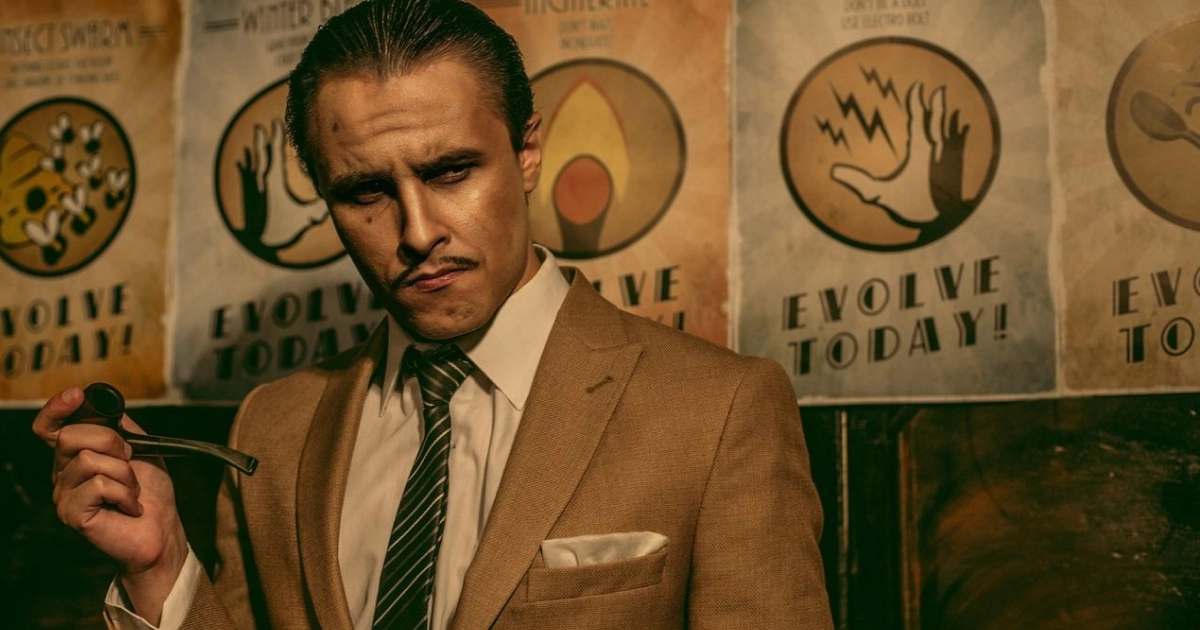
BioShock is built around the idea that the best villain doesn't need to chase you with a machine gun.
Andrew Ryan created Rapture, an underwater city built on a radical vision of individual freedom. On paper it sounds almost like a utopia. In practice it became a place where human greed, ambition, and the absence of limits turned ideology into catastrophe pretty quickly.
Ryan is interesting primarily as a character whose beliefs are baked directly into the structure of the world.
And the famous scene where you meet him shows just how far the game is willing to go in its conversation about free will, control, and player choice. The antagonist works as part of the game's core idea.
Mother Miranda — Resident Evil Village
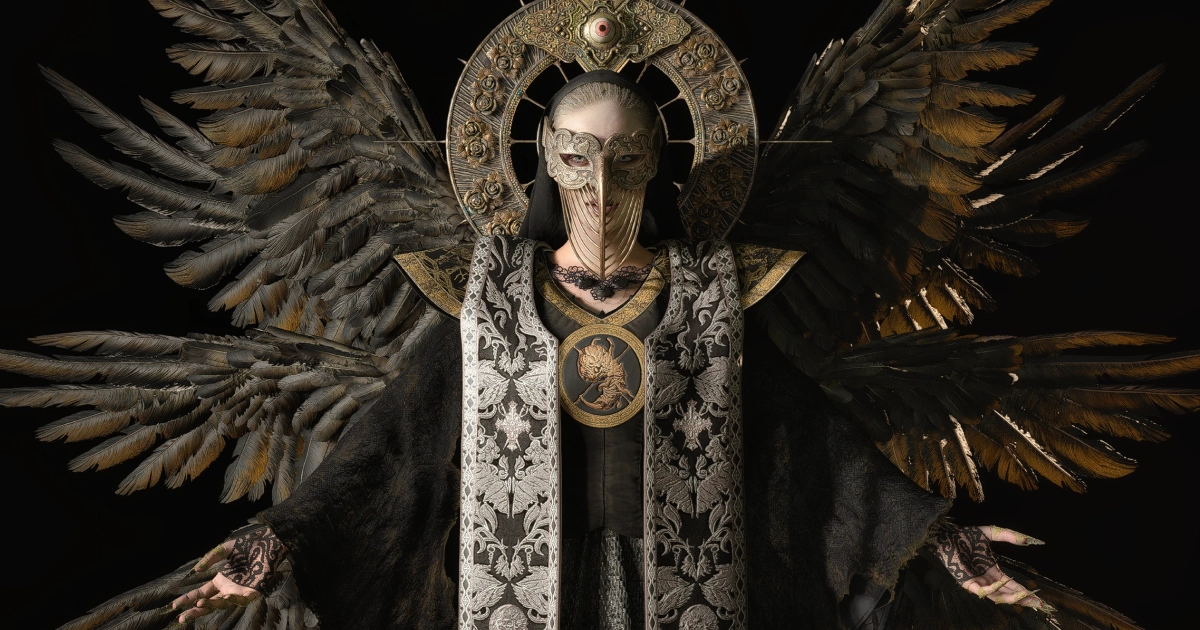
In Resident Evil Village, Mother Miranda is behind much of what happens in the village and is connected to the origins of many of that world's oddities.
Her motivation revolves around the loss of her daughter and her attempts to bring her back to life. Naturally, Miranda's methods go slightly beyond the scope of ordinary family counseling.
She experiments on people, creates monsters, and manipulates everyone around her while remaining fairly convincing within her own frame of reference.
That mix of personal tragedy and monstrous decisions is what makes her more compelling than your average mad scientist.
Scarecrow — Batman: Arkham Knight
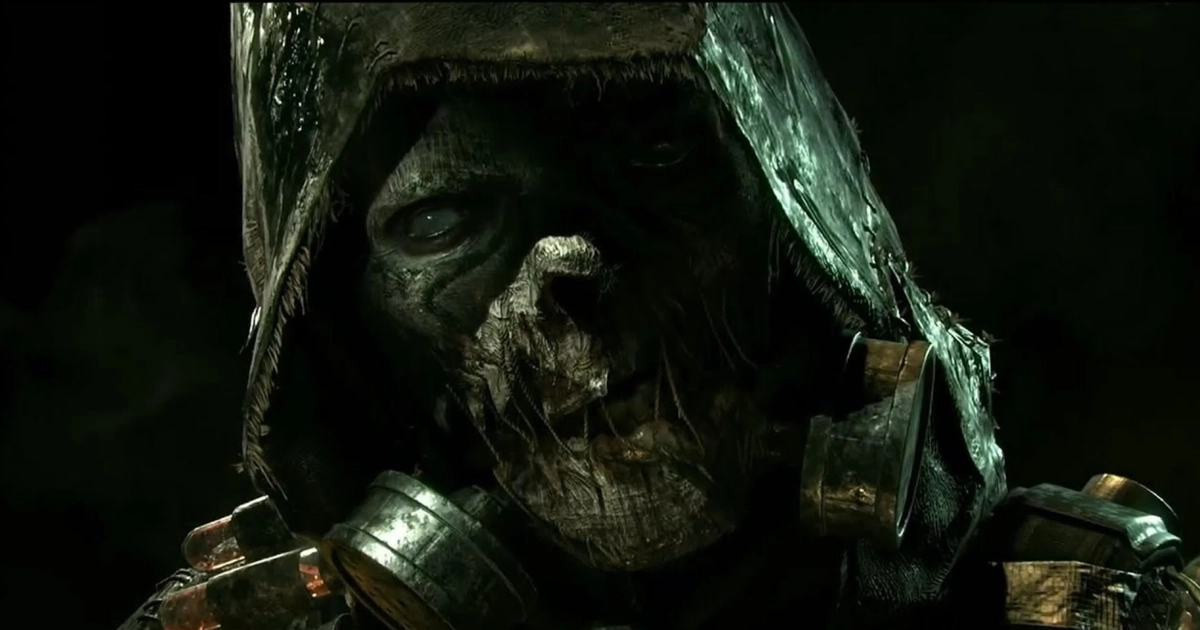
In Batman: Arkham Knight, Scarecrow uses the one thing Batman has the hardest time defending against: fear.
His weapon doesn't necessarily need to kill. It's far more interesting to make someone see their own nightmares and lose control of what's happening.
In Arkham Knight, fear becomes a full-fledged storytelling tool. The game constantly blurs the line between reality and hallucination, making the player themselves question what's real.
For Batman, who's used to being in control, this is an especially unpleasant opponent.
Duke Luca Abele — Dishonored 2
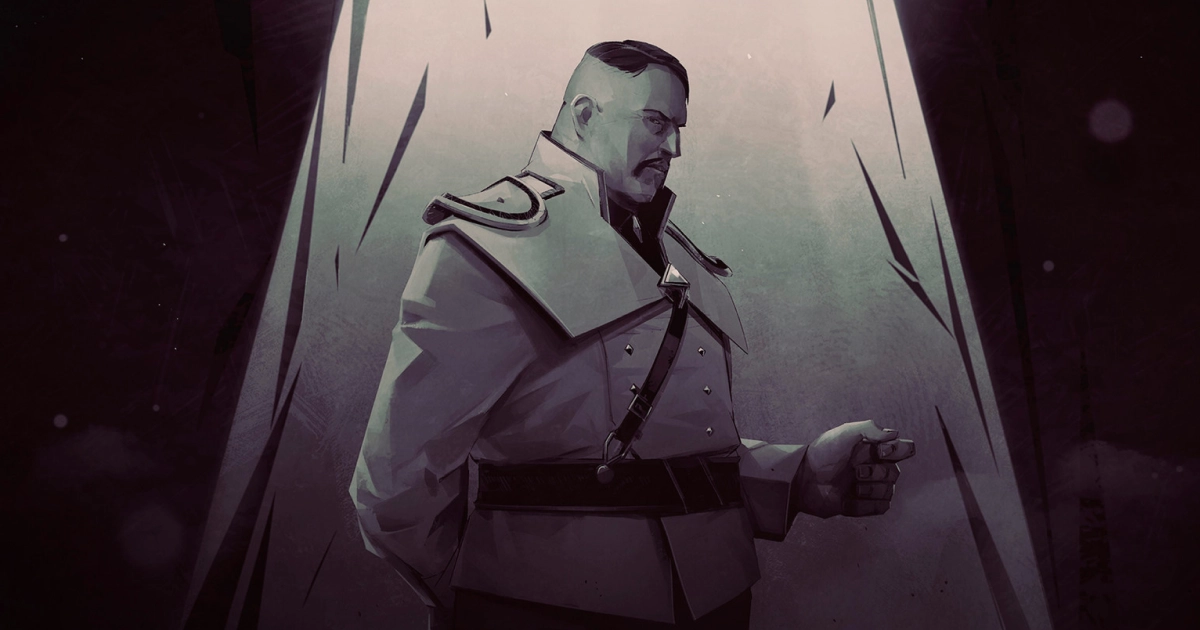
Dishonored 2 has no shortage of colorful adversaries, but Duke Luca Abele is especially fun to watch.
He represents the exact type of villain Dishonored loves to portray: a wealthy, powerful man who's used to treating everyone around him as part of his property.
His position lets him toy with people's lives with near-total impunity, and his lavish lifestyle stands in sharp contrast to what's happening beyond his estate.
And of course, Dishonored lets you deal with the problem in your own style. You can simply kill the enemy. Or you can come up with a far more inventive fate for him.
Sal Marcano — Mafia III
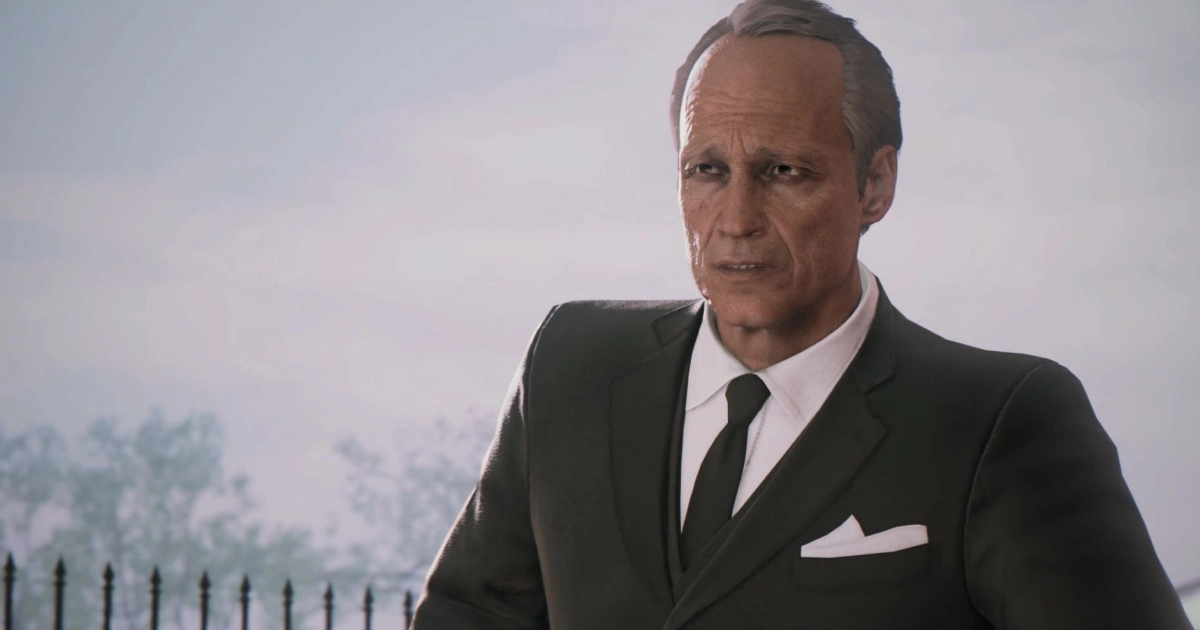
In Mafia III, Lincoln Clay's main adversary is Sal Marcano, head of a crime family that controls a significant chunk of New Bordeaux's criminal underworld.
Marcano doesn't come across as a raving psychopath. And that's exactly his strength.
He operates like a man who sees his criminal empire first and foremost as a business. People are tools to him, and betrayal and violence are just standard management practices.
Lincoln isn't going after him just to grab territory. This is a personal story of revenge, which makes the conflict with Marcano feel far more grounded and specific.
Why good antagonists work better than ordinary villains
The most memorable adversaries are rarely just "bad guys." They have to make the player feel something: hatred for Micah, fear of Alma, curiosity about Andrew Ryan, or even mixed feelings toward Johnny Silverhand.
That's why a good antagonist can steal some of the spotlight from the protagonist and sometimes even become the face of the entire game.
Because you can forget a hero after the credits roll. But the character who made you think "god, what a vile piece of shit" for the entire game is a lot harder to forget.